




The Future of Kitchen Appliances: Latest Innovations in Commercial Kitchens
- Dito Sama

- ...
- NEWS & EVENTS
- The Future of Kitchen Appliances: Latest Innovations in Commercial Kitchens
Share


From the rise of automation to smarter, more connected devices, innovation in kitchen technology is moving at an unprecedented pace. For professional chefs and business owners, staying ahead of these trends isn’t just a matter of curiosity – it’s a competitive advantage. Modern commercial kitchen appliances are designed to do more than cook; they optimize workflows, enhance food safety, and adapt to evolving culinary demands.
In this article, we explore the most exciting new technology in kitchen appliances, how it’s reshaping efficiency and safety, and what trends are poised to define the future of commercial kitchens.
The Most Exciting Innovations in Commercial Kitchen Equipment
Recent years have seen a surge in innovation across all areas of professional kitchen equipment. Among the most noteworthy developments:
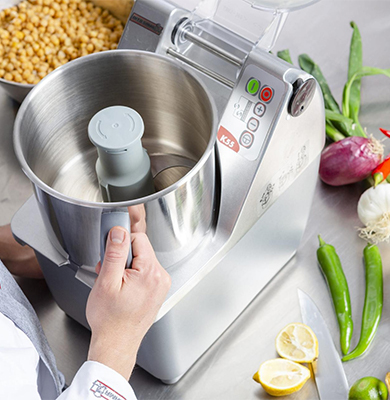
Multifunctional appliances:
equipment that combines several tasks into one machine – such as food processors with built-in scales, programmable timers, and interchangeable blades – helps reduce clutter and streamline prep time.
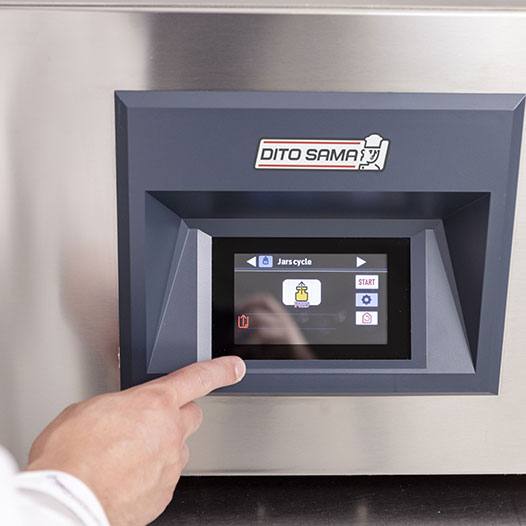
Touchscreen controls and IoT integration:
high-end appliances now offer digital interfaces with real-time feedback, recipe libraries, and automated cleaning alerts. Connected devices can sync with inventory systems and maintenance schedules.
Precision cooking tools:
sous-vide equipment, induction cooktops with temperature control down to the degree, and advanced combi ovens allow chefs to achieve exact results while saving energy.
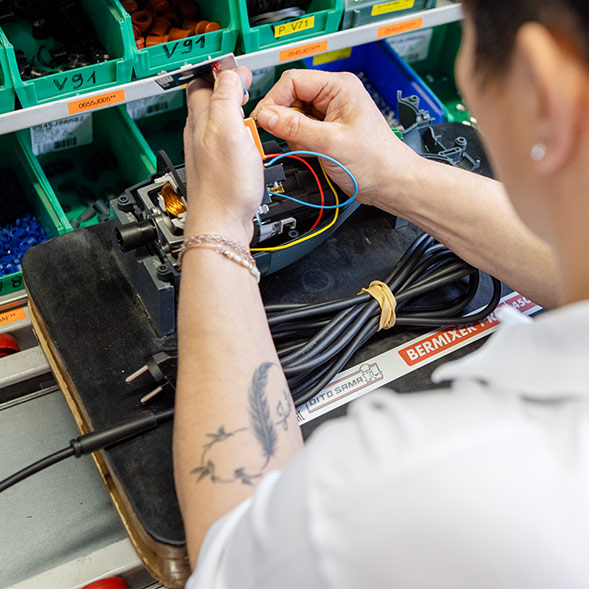
Sustainable designs:
manufacturers are focusing on energy-efficient motors, water-saving wash cycles, and recyclable materials to reduce environmental impact.
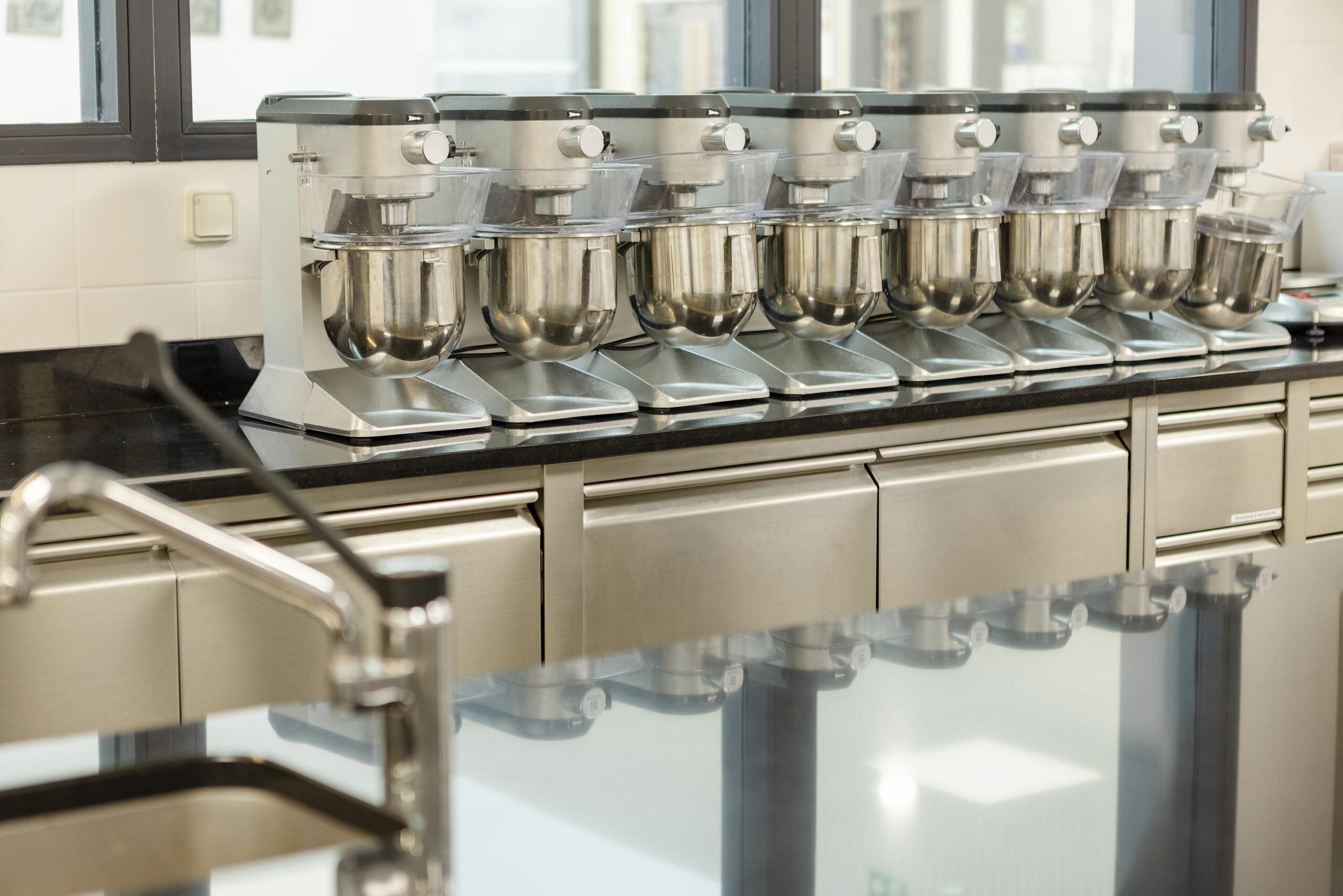
Compact, high-performance designs:
innovative kitchen appliances are becoming more space-conscious without compromising functionality – ideal for operations working with limited kitchen footprints.
These advances aren’t just about novelty – they’re making kitchens faster, safer, and more consistent than ever before.
How Smart Appliances Are Improving Efficiency and Safety
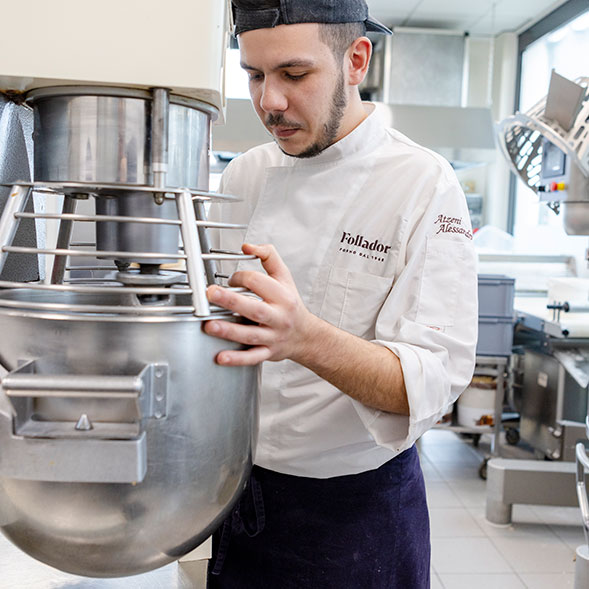
Smart kitchen appliances are transforming how chefs interact with their tools. A food processor that adjusts its speed based on load, or a mixer that notifies staff when maintenance is due, can make a noticeable impact on daily operations.
Efficiency gains come from automation and adaptability. Smart equipment can store multiple user profiles, pre-programmed functions, and cycle preferences, reducing human error and improving consistency. Staff can spend less time adjusting settings and more time focusing on creativity and quality.
Safety, too, benefits from innovation. Sensors can shut off appliances in the event of overheating, while guided touchscreens reduce the chance of misuse. Digital logs track performance, allowing managers to identify irregularities early and avoid potential issues.
Appliances like those from Dito Sama are built with these priorities in mind – blending performance, durability, and technology to empower professional kitchens to work smarter, not harder. Dito Sama integrates advanced features such as variable speed control, ergonomic digital interfaces, and intelligent component tracking into many of its machines. These innovations don’t just enhance usability – they actively improve food consistency and reduce downtime in the busiest kitchen environments.
What’s Next? Future Trends in Kitchen Technology
As innovation continues, several trends are beginning to shape the kitchens of tomorrow:
- AI and machine learning integration: systems that learn usage patterns and adapt to workflows will personalize how equipment operates based on time of day, menu type, or user preference.
- Advanced robotics: while still in early adoption, robotic arms and automated prep systems are being tested in high-volume kitchens to improve consistency and output.
- Waste-reducing technologies: new equipment is being designed to measure waste, suggest portion adjustments, or integrate composting features directly into the prep process.
These developments aim to reduce stress, cut costs, and allow culinary teams to focus more on creativity and guest experience.
Staying informed about kitchen technology isn’t about chasing every new gadget – it’s about recognizing the tools that genuinely support your business goals. Dito Sama remains at the forefront of innovation, designing professional kitchen equipment that adapts to the future while supporting chefs in the present.
LAST NEWS


Essential Kitchen Equipment Every Professional Chef Should Have
- Dito Sama
- ...
- NEWS & EVENTS
- Essential Kitchen Equipment Every Professional Chef Should Have
Share
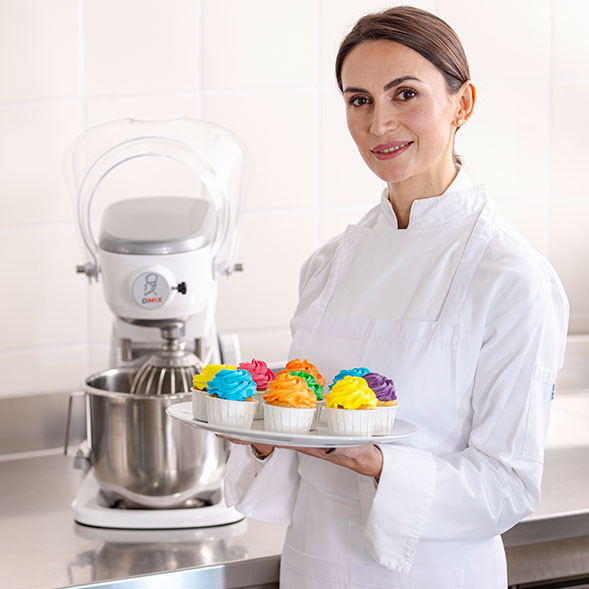
Every professional kitchen has its own rhythm – but behind every smooth operation, there’s a thoughtful setup of essential tools doing the heavy lifting. Whether you're launching a new restaurant or refining your current workflow, investing in the right commercial kitchen appliances and tools is key to delivering quality, speed, and safety in daily service.
In this article, we’ll explore the must-have kitchen equipment every professional should consider, how to choose the best fit for your business, and how to keep your setup in peak condition for years to come.
The Essential Tools Every Commercial Kitchen Needs
A well-equipped kitchen is more than a luxury – it’s the foundation of consistent food quality and an efficient workflow. While needs vary by cuisine and concept, some tools are universally indispensable:
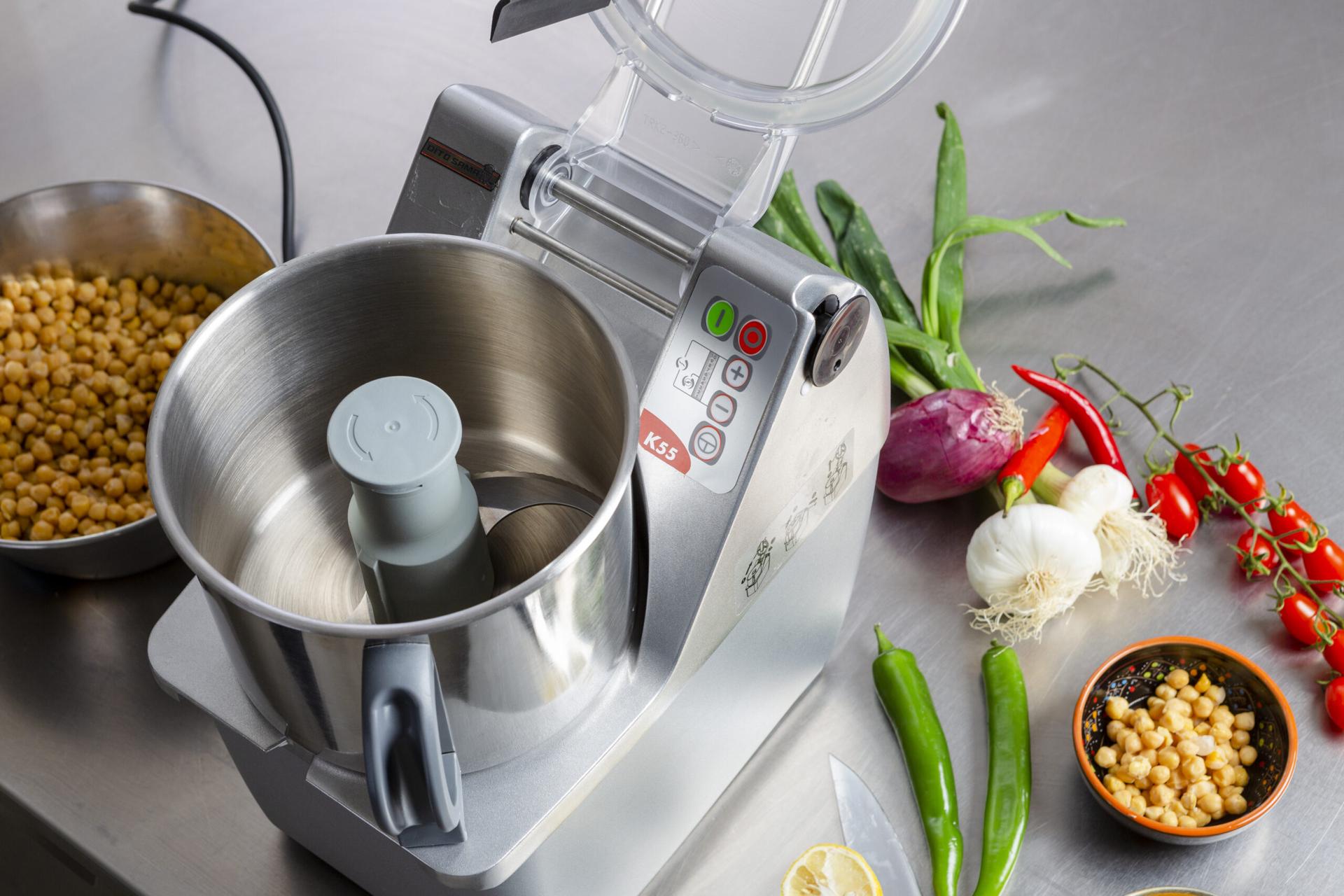
Professional food processors:
these versatile machines take on everything from slicing and dicing to emulsifying sauces and kneading dough. They dramatically reduce prep time and improve consistency.
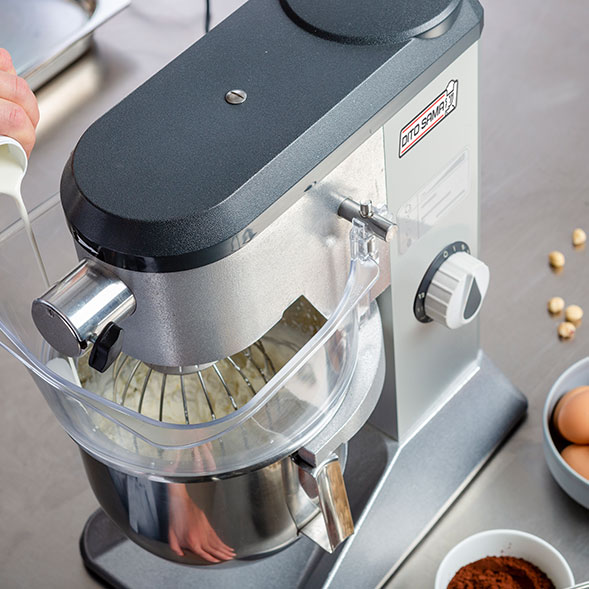
Mixers (planetary and spiral):
essential for bakeries, pizzerias, and restaurants working with doughs and batters. A heavy-duty mixer ensures your production runs smoothly.
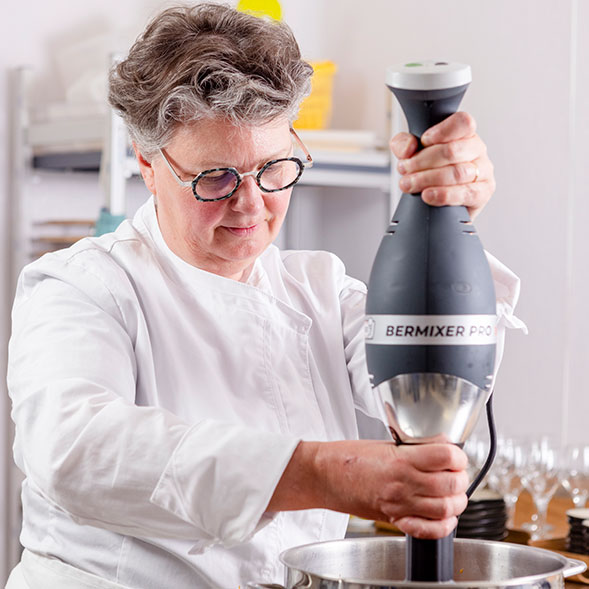
High-performance blenders:
ideal for purées, sauces, and beverages, a commercial-grade blender delivers speed and texture precision.
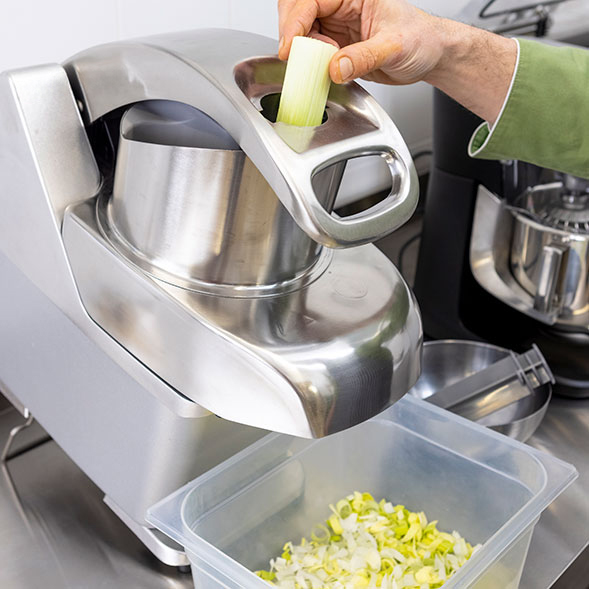
Vegetable cutters:
designed for high-volume slicing, dicing, and julienning, they save hours of manual prep and offer reliable results.
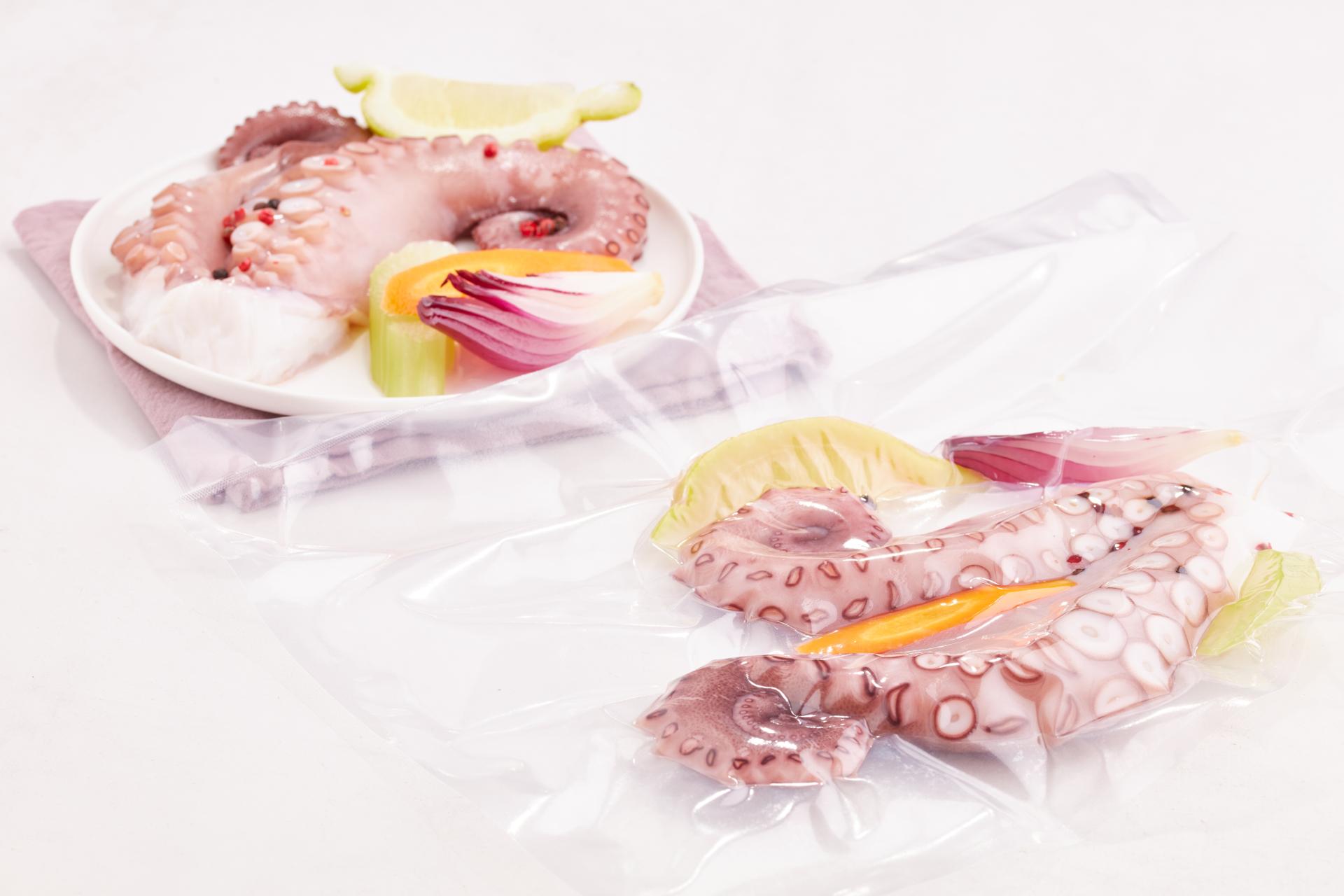
Refrigeration units:
from undercounter fridges to walk-in coolers, proper cold storage ensures food safety and longevity.
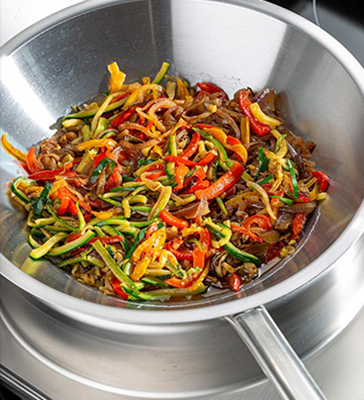
Cooking appliances:
depending on your menu, this may include convection ovens, grills, fryers, steamers, or induction ranges. Quality cooking equipment improves output and energy efficiency.
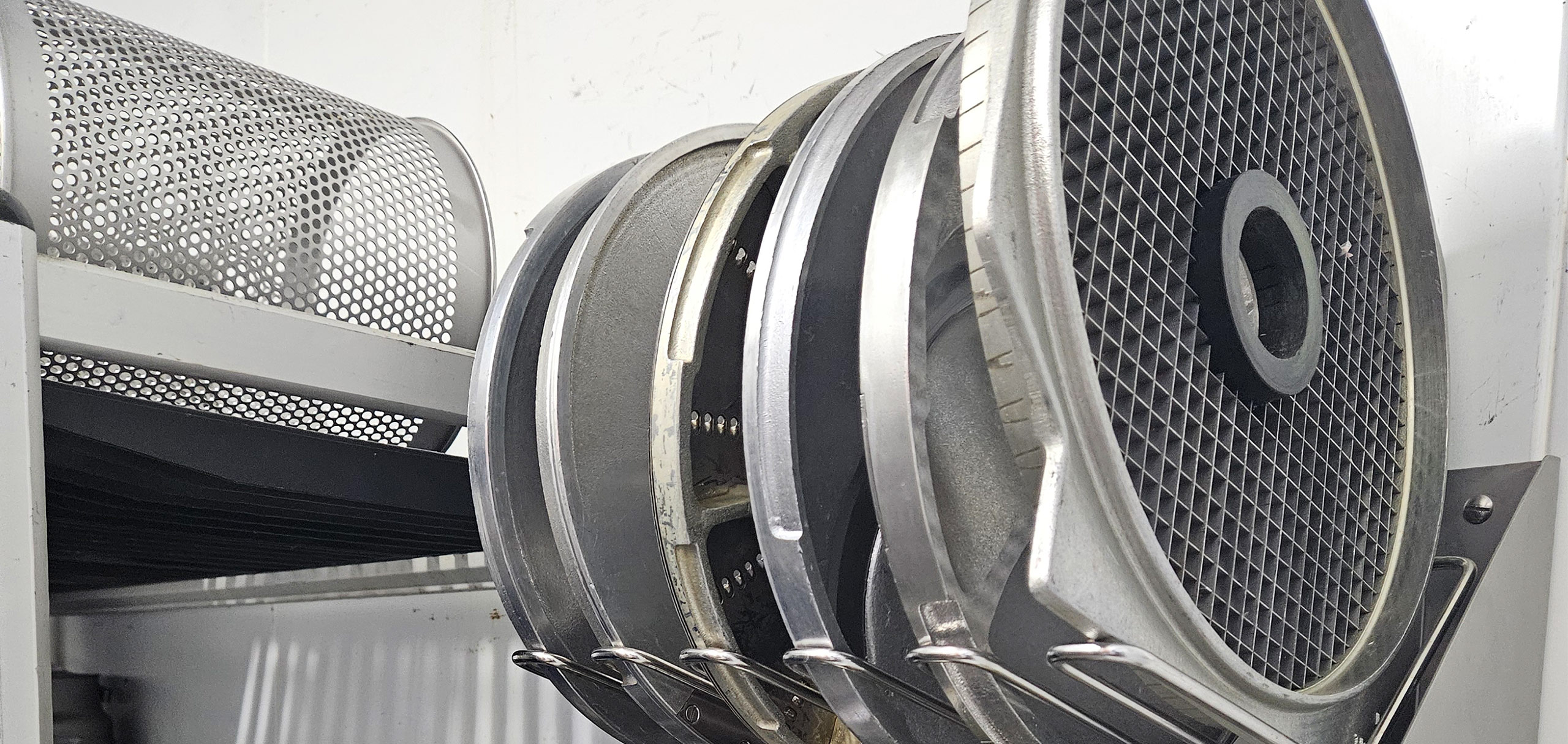
Washing systems:
dishwashers, pot washers, and sanitation stations are critical for hygiene and keeping operations running smoothly.
Each of these tools plays a role in maintaining food quality, reducing waste, and supporting a productive team.
How to Choose the Best Equipment for Your Business
Selecting the right equipment isn’t just about ticking boxes – it’s about aligning tools with your kitchen’s specific goals and challenges. Before purchasing new appliances, consider the following.
01.
Volume and menu needs:
evaluate how many dishes you serve per day and which tools are most relevant to your core offerings. For example, if your kitchen handles a large number of vegetable-heavy dishes, a high-capacity vegetable cutter might be a better investment than an extra fryer.
02.
Space and layout:
take precise measurements and think about how equipment will fit into the kitchen flow. Efficient layout minimizes cross-traffic and boosts safety. Did you know that even a few seconds saved per dish, multiplied across hundreds of orders, can lead to hours of labor saved every week?
03.
Staff skill level:
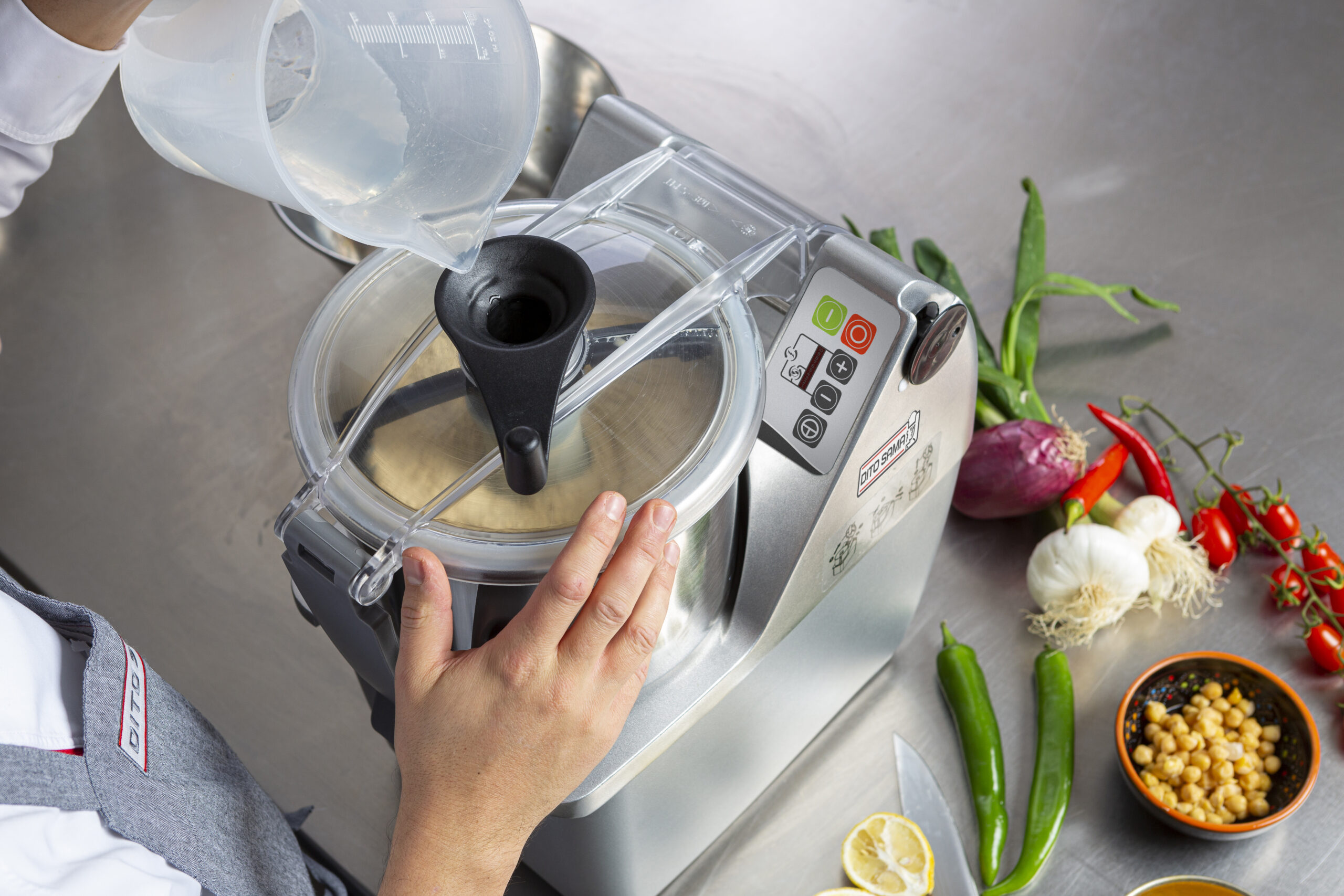
choose user-friendly, intuitive machines if you frequently train new staff. Some equipment, like Dito Sama’s food processors, are engineered for ease-of-use without compromising performance, helping reduce training time.
04.
Energy efficiency and maintenance:
opt for appliances that offer long-term value through lower energy use, durable components, and easy maintenance routines. Energy-efficient models not only reduce your utility bills – they also contribute to sustainability goals that matter more and more to today’s diners.
05.
Supplier support and warranty:
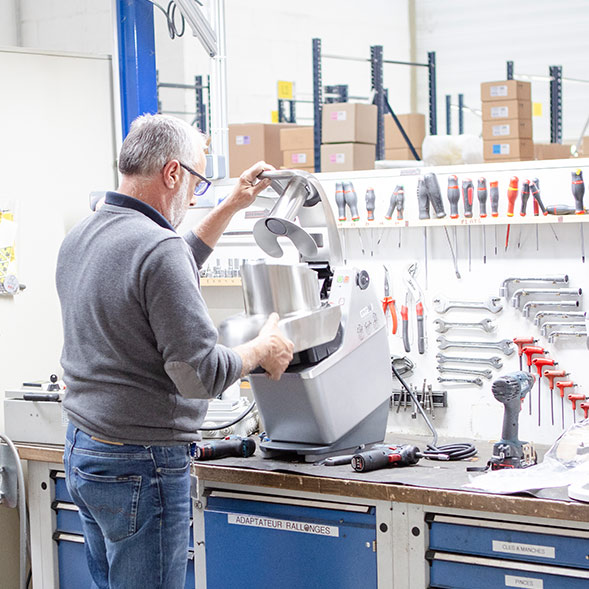
choose partners who offer installation, training, and responsive customer service. Dito Sama, for example, supports professionals with a robust range of equipment and expert guidance, helping you get up and running smoothly and stay that way.

01.
Volume and menu needs:
evaluate how many dishes you serve per day and which tools are most relevant to your core offerings. For example, if your kitchen handles a large number of vegetable-heavy dishes, a high-capacity vegetable cutter might be a better investment than an extra fryer.
02.
Space and layout:
take precise measurements and think about how equipment will fit into the kitchen flow. Efficient layout minimizes cross-traffic and boosts safety. Did you know that even a few seconds saved per dish, multiplied across hundreds of orders, can lead to hours of labor saved every week?
03.
Staff skill level:
choose user-friendly, intuitive machines if you frequently train new staff. Some equipment, like Dito Sama’s food processors, are engineered for ease-of-use without compromising performance, helping reduce training time.
04.
Energy efficiency and maintenance:
opt for appliances that offer long-term value through lower energy use, durable components, and easy maintenance routines. Energy-efficient models not only reduce your utility bills – they also contribute to sustainability goals that matter more and more to today’s diners.
05.
Supplier support and warranty:
choose partners who offer installation, training, and responsive customer service. Dito Sama, for example, supports professionals with a robust range of equipment and expert guidance, helping you get up and running smoothly and stay that way.
When these factors are considered together, they help you build a reliable, scalable kitchen setup that adapts to your growing business. A smart choice today can prevent headaches tomorrow – and give your team the tools they need to thrive.
Maintaining and Upgrading Your Kitchen Setup
Buying commercial kitchen equipment is a significant investment – but how you care for it matters just as much as what you choose.
Establish a regular cleaning and maintenance routine, with daily, weekly, and monthly checklists. This not only extends the life of your equipment but also protects food safety and improves staff accountability.
As your business grows, keep a close eye on where your current setup may be falling short. Are prep times too long? Is your team waiting for equipment to become available? These are signals that it may be time to upgrade or expand your lineup.
Technology evolves, and so do kitchen needs. Investing in multifunctional equipment – like the professional food processors and vegetable cutters offered by Dito Sama – can add flexibility without sacrificing space. These tools are designed to grow with your operation, offering both precision and power in demanding environments.
In the end, a well-chosen and well-maintained kitchen setup pays off daily: in smoother service, happier staff, and dishes that consistently meet your standards.
LAST NEWS
Food Processor vs. Blender: Which One Best Fits Your Kitchen Needs?
- Dito Sama
- ...
- NEWS & EVENTS
- Food Processor vs. Blender: Which One Best Fits Your Kitchen Needs?
Share
Some kitchen tools are so familiar, they’re often assumed to be interchangeable – like the food processor and the blender. At a glance, they might appear to serve the same purpose: breaking down ingredients into more manageable forms. But if you've ever tried to purée soup in a food processor or shred cheese in a blender, you know they aren't quite the same.
Understanding the unique strengths of each appliance can help you make smarter choices about how you equip your kitchen. Whether you’re looking to expand your capabilities or just need to clarify what belongs where, this comparison will help you get the most out of both tools.
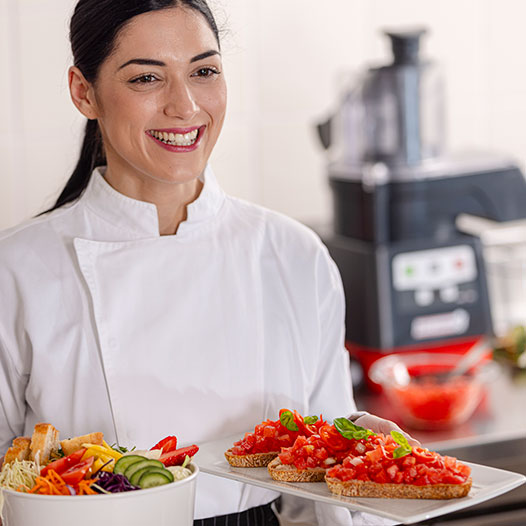
Though both appliances process food, they are engineered for very different tasks. A professional food processor is designed for chopping, slicing, shredding, grating, and kneading. Its wide bowl, flat blades, and interchangeable discs make it ideal for preparing solid or semi-solid ingredients quickly and uniformly.
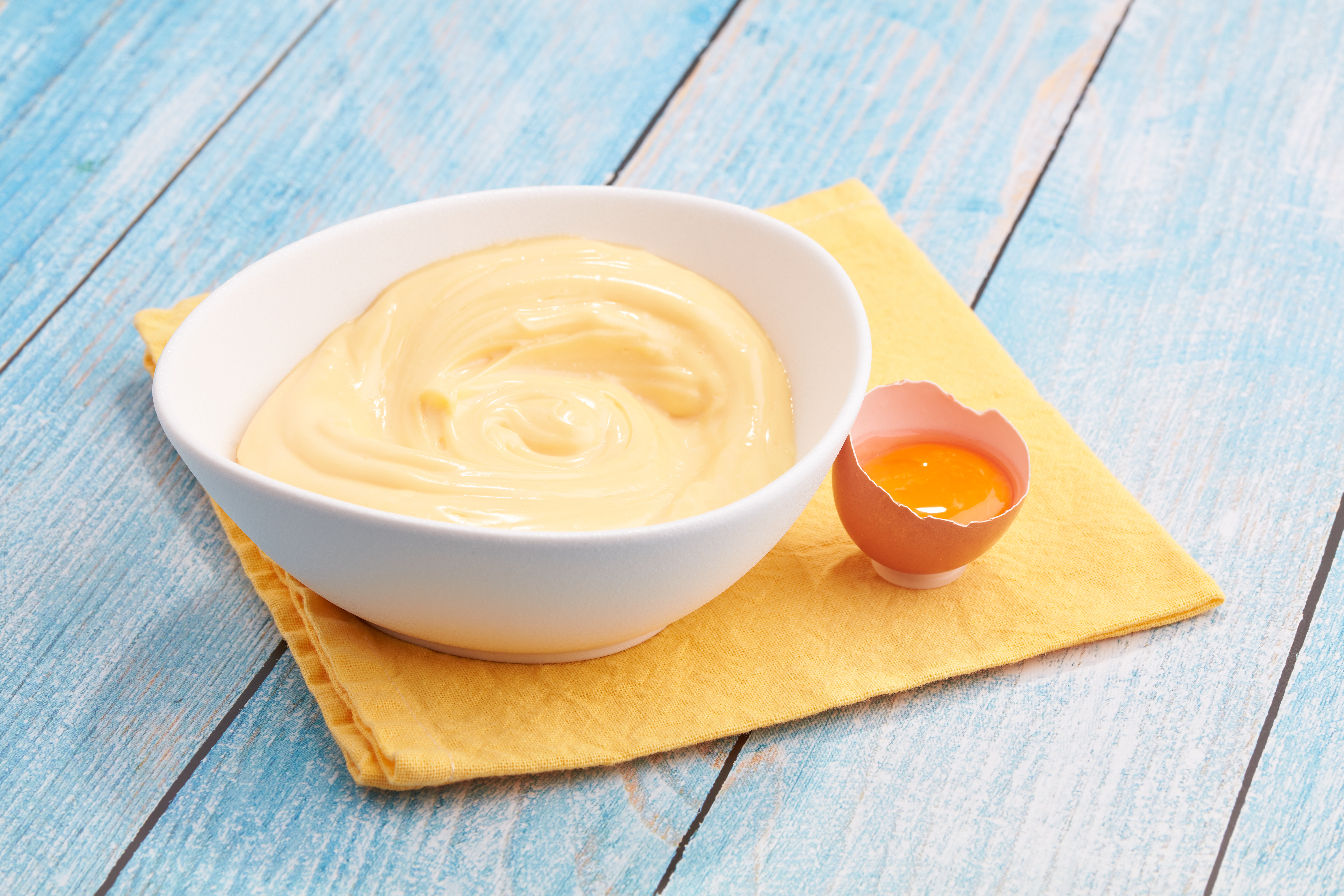
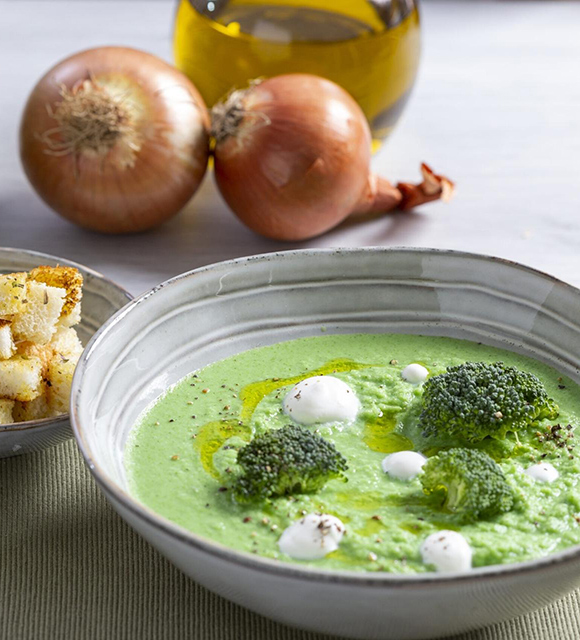
On the other hand, a blender is built to handle liquids and softer items. With a tall container and rotating blades, it creates powerful vortexes perfect for purées, soups, smoothies, and emulsifications. Its primary strength lies in blending and liquifying ingredients rather than cutting them into uniform shapes.
In short: if you're working with solid foods and need texture control, a food processor is the way to go. If you're dealing mostly with liquids or ingredients that need to be fully puréed, the blender takes the lead.
When to Use a Food Processor vs.
When to Use a Blender
The choice between blender vs food processor often comes down to what you’re preparing.
Use a food processor
when making pastry doughs, chopping vegetables, slicing potatoes, shredding cheese, or kneading pizza dough. Its design is geared toward handling volume and structure, making it ideal for prep-heavy operations.
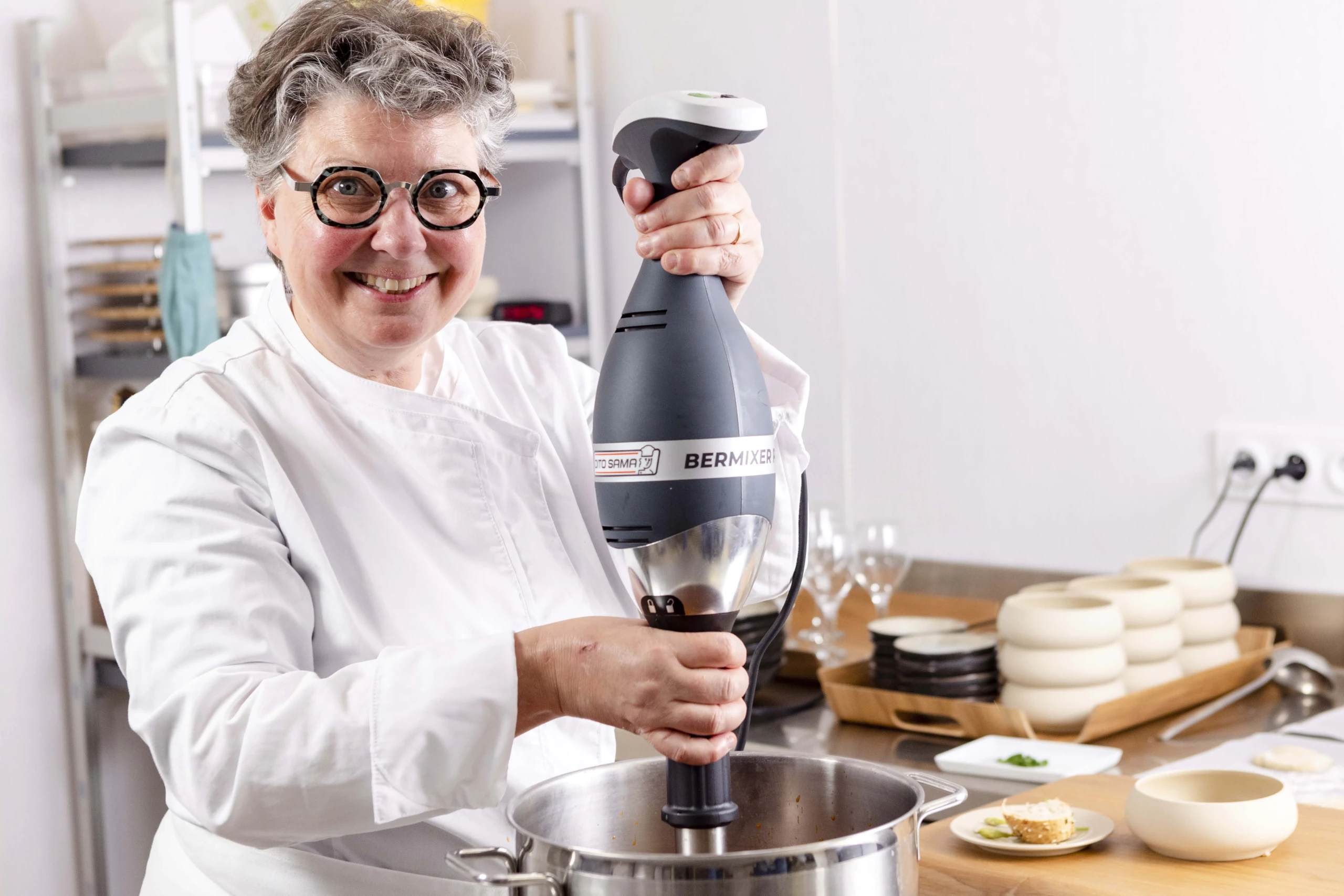
Use a blender
for sauces, salad dressings, soups, smoothies, and beverages where a uniform, smooth consistency is desired. It’s also useful for emulsifying ingredients like oil and vinegar.
Each tool has its place in the kitchen, and many professional operations use both to cover a full range of tasks. Knowing when to use each helps maintain high quality while streamlining workflow.
Which One is Right for Your Business? A Buying Guide
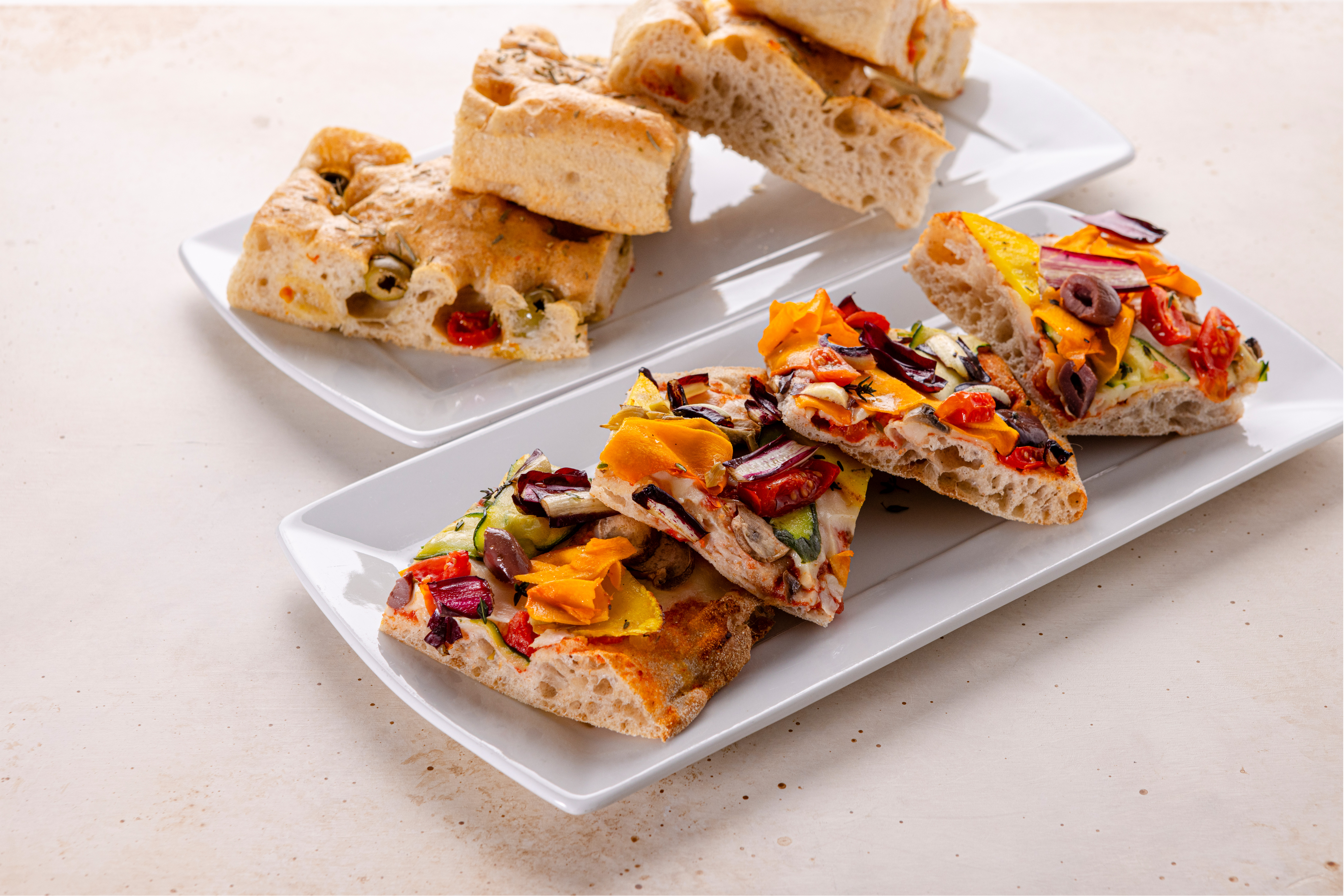
Choosing between a blender and a food processor ultimately depends on the demands of your kitchen. Fast-paced environments that rely on heavy prep will benefit from the versatility of a food processor. Establishments focused on beverages, soups, and sauces may prioritize the power and smooth blending capabilities of a professional-grade blender.
Beyond the type of food you're preparing, it’s also important to consider your kitchen’s workflow and space. A food processor can take on tasks traditionally split among several tools – such as slicing, grating, and kneading – helping reduce clutter and equipment redundancy. On the other hand, a blender’s tall profile and single-purpose design might be more space-efficient for kitchens that focus on a limited set of liquid-based recipes.
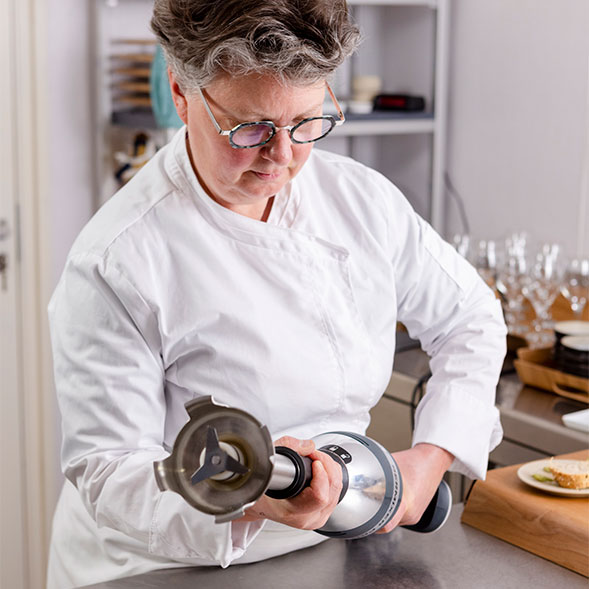
Another factor is staffing and training. Food processors often require a bit more training for safe and effective use, particularly when switching attachments or adjusting settings. Blenders, with their simpler design, can be easier for staff to operate right out of the box. That said, the time savings and precision offered by a food processor can easily outweigh the learning curve.
Also think about cleaning and maintenance. Many professional food processors, including models from Dito Sama, are designed with hygiene and ease of cleaning in mind – offering dishwasher-safe components and streamlined designs that simplify disassembly. Blenders are generally quick to clean, especially when used primarily for soft or liquid ingredients, but can sometimes retain odors or staining from certain foods.
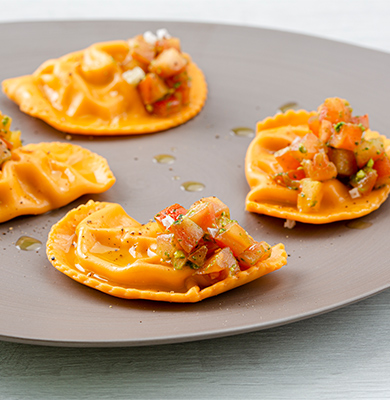
In many cases, kitchens find that a combination of both appliances offers the most flexibility. This dual investment allows chefs to match the tool to the task, whether it’s emulsifying a delicate vinaigrette or preparing a batch of perfectly sliced vegetables.
Dito Sama’s range of professional food processors are built with these multi-functional needs in mind, offering robust motors, interchangeable discs, and durable components that perform reliably even under continuous use.
Ultimately, a well-equipped kitchen doesn’t just deliver results – it supports consistency, safety, and creativity. And knowing the right tool for each task is part of running an efficient, high-performing operation.
LAST NEWS
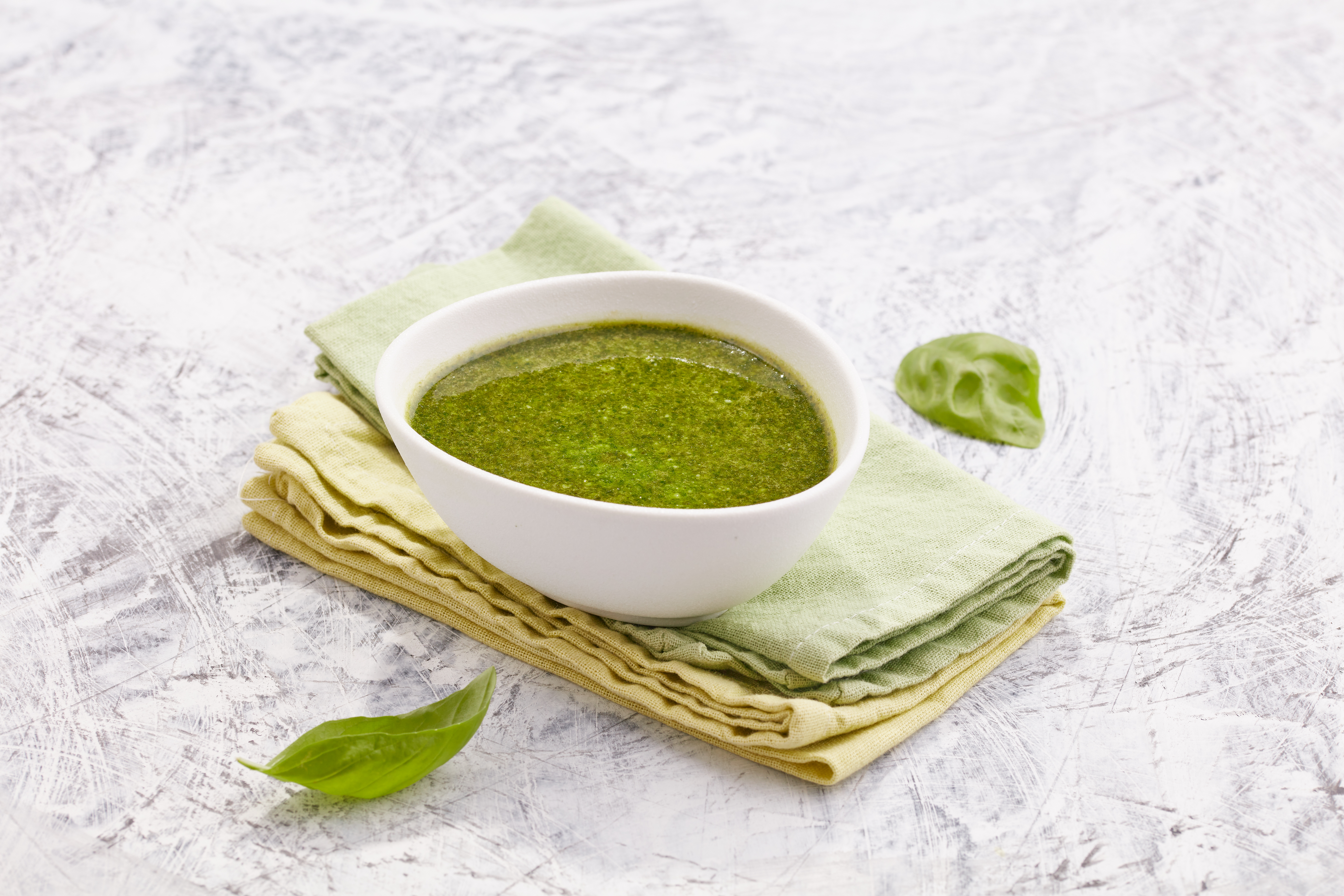
Professional Food Processors: What to Look for and How to Choose
- Dito Sama
- ...
- NEWS & EVENTS
- Professional Food Processors: What to Look for and How to Choose
Share
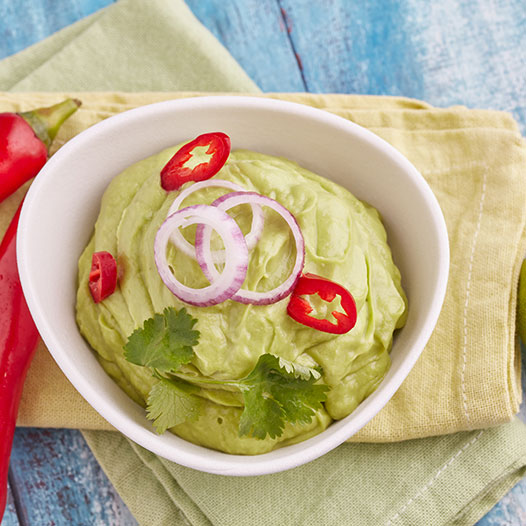
In today’s fast-paced commercial kitchens, efficiency and precision are essential. One of the most versatile and valuable tools in this environment is the professional food processor. Whether you’re preparing ingredients for sauces, soups, pastries, or garnishes, a high-performing food processor can significantly streamline workflow and reduce manual labor.
But with so many models available, choosing a food processor that fits your kitchen’s needs can be a challenge. In this guide, we’ll explore the features to look for, how to compare different options, and how to use your machine to its fullest potential.
Features That Define a High-Quality Food Processor
When it comes to selecting the best professional food processor, several features can make all the difference in performance, durability, and overall value.
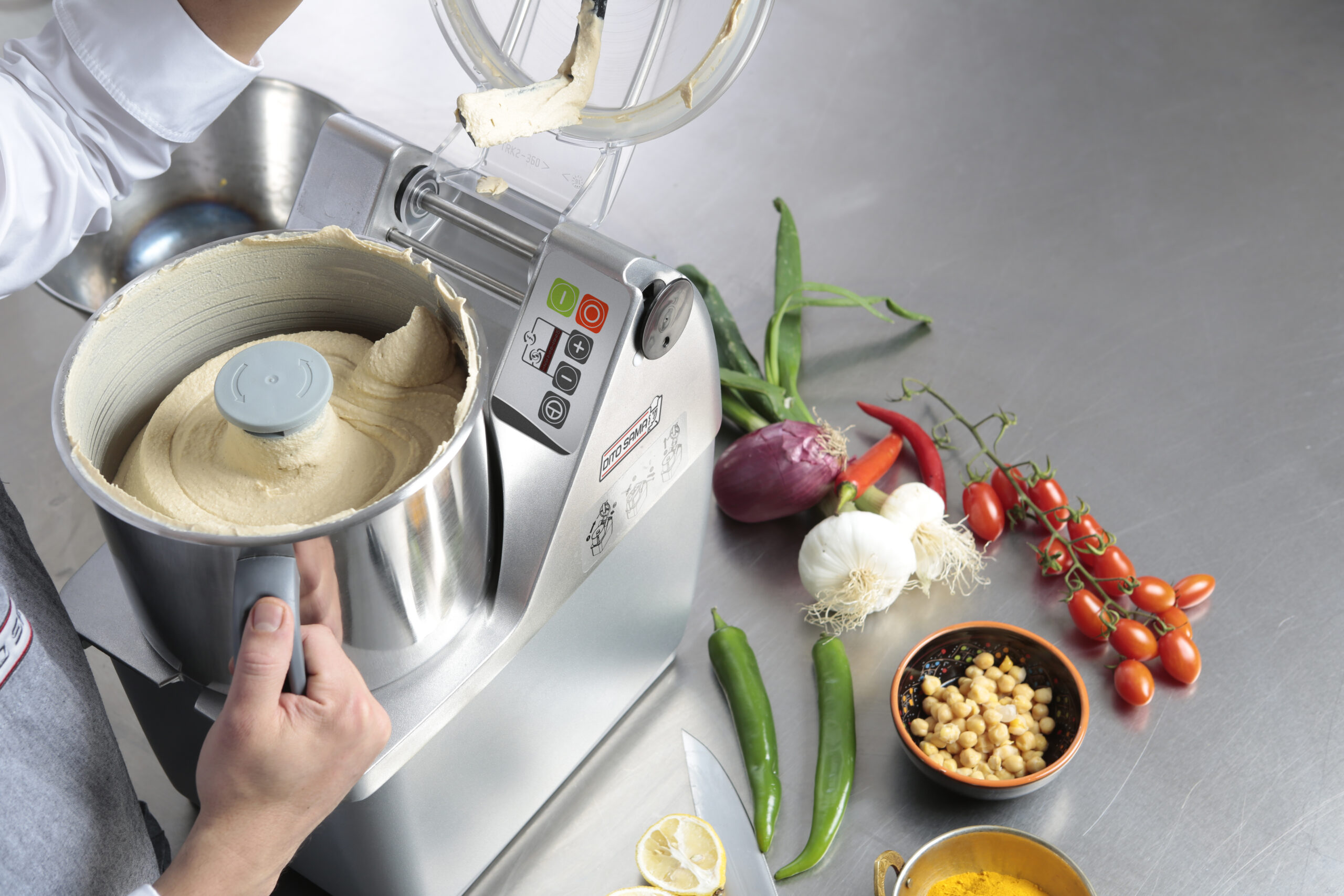
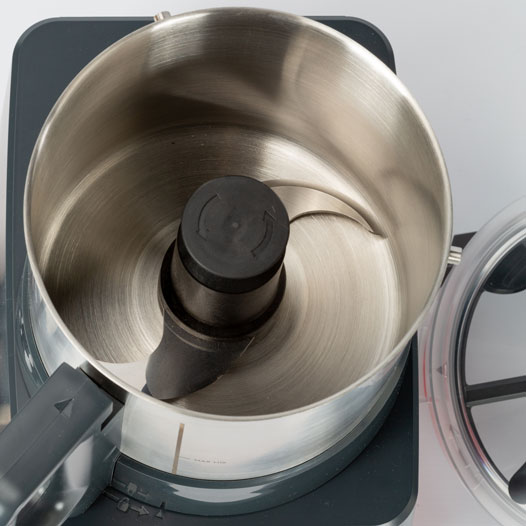
Motor Power and Speed Settings:
a robust motor ensures consistent performance under heavy loads. Variable speed settings allow for greater control and versatility when processing different ingredients.
Bowl Capacity:
choose a size that aligns with your kitchen’s output. Larger bowls are ideal for bulk prep, while mid-sized processors offer a good balance for flexibility and speed.
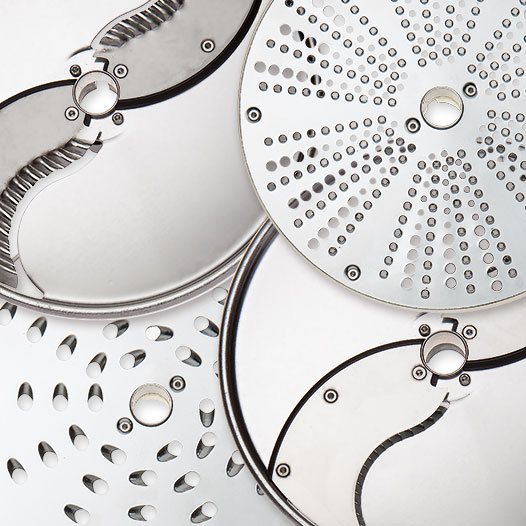
Blade and Disc Variety:
look for models that include multiple blades and discs for slicing, dicing, shredding, emulsifying, and more. High-quality stainless-steel components ensure longevity and precision.
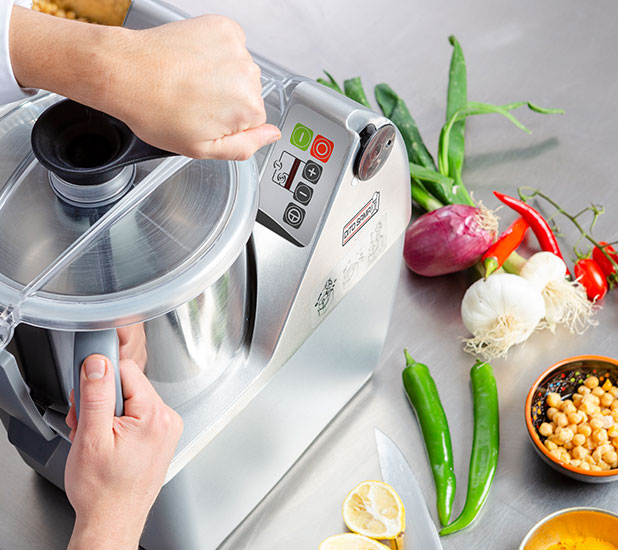
Safety Features:
interlocking lids, non-slip bases, and automatic shut-off mechanisms help prevent accidents and protect your team.
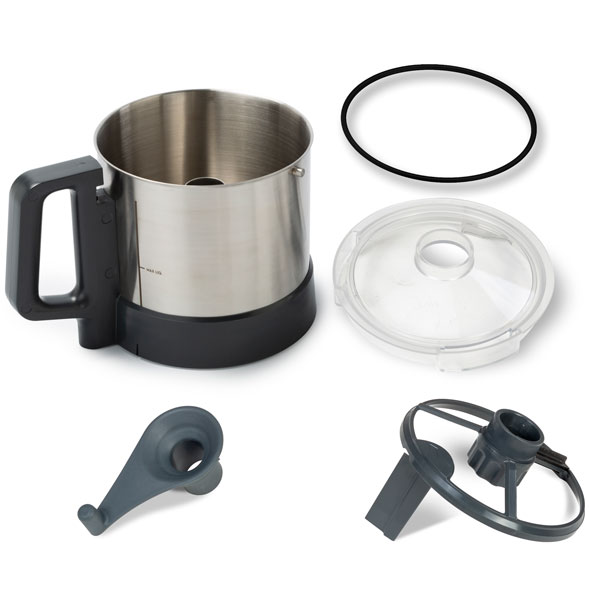
Ease of Cleaning:
time-saving features like dishwasher-safe parts, smooth surfaces, and easy disassembly contribute to better hygiene and faster cleanup.
Durability and Build Quality:
industrial-grade materials and a sturdy design are essential for day-to-day commercial use.
Understanding these features is key when deciding how to choose a good food processor for your business.
Comparing the Best Professional Food Processors on the Market
Not all professional food processors are created equal. When evaluating options, consider the specific needs of your kitchen and staff. For example:
01.
High-volume operations
benefit from powerful machines with large-capacity bowls and continuous feed systems.
02.
Restaurants with diverse menus
should prioritize processors that come with multiple discs and attachments.
03.
Smaller kitchens
may prefer compact units with a more focused feature set but still offer professional performance.

01.
High-volume operations
benefit from powerful machines with large-capacity bowls and continuous feed systems.
02.
Restaurants with diverse menus
should prioritize processors that come with multiple discs and attachments.
03.
Smaller kitchens
may prefer compact units with a more focused feature set but still offer professional performance.
When comparing brands, look at factors such as warranty, customer support, and availability of original replacement parts. Choosing a reputable brand known for quality and innovation – like Dito Sama – can give you peace of mind and a better return on investment.
Before making a purchase, ask yourself:
- What tasks will the processor be used for most frequently?
- How many hours per day will it be in use?
- Is it compatible with the workflow and layout of your kitchen?
Answering these questions can help narrow down your options and ensure you invest in the best professional food processor for your operation.
How to Use a Food Processor to Maximize Kitchen Efficiency
Once you've chosen the right processor, the way you integrate it into your kitchen operations can have a big impact on productivity and food consistency. Start by ensuring that your team is thoroughly trained – not just on the basic functions, but also on how to handle the unit safely, switch blades, adjust settings, and carry out proper cleaning. The more familiar your staff is with the equipment, the more confidently and efficiently they’ll use it.
A professional food processor can streamline prep work across various stations, from sauces to pastry to vegetable prep. When ingredients are portioned appropriately for the bowl size, the machine performs at its best – avoiding overloading, which can affect both performance and output quality. It’s also helpful to develop standardized recipes and preparation techniques that fully utilize the machine’s settings and capabilities. This consistency leads to faster service, better portion control, and uniform results.
Rather than treating it as a standalone tool, integrate the processor into your overall workflow. Position it strategically in the kitchen so it complements existing prep routines and allows for multitasking without disruption. When used thoughtfully, a food processor can become one of the most essential and time-saving tools in your kitchen.
Dito Sama’s range of professional food processors are designed with this kind of real-world efficiency in mind – built to handle heavy workloads, easy to use, and engineered to deliver consistently excellent results day after day.
Many chefs appreciate the tactile feel of a well-built machine – the subtle resistance of a sharp blade slicing through firm vegetables or the low hum of a motor that powers through dense mixtures without hesitation. These seemingly small experiences become part of the daily rhythm in a kitchen and reflect the craftsmanship behind the equipment.
LAST NEWS
Reducing Food Waste in Professional Kitchens: Smart Strategies for Efficiency
- Dito Sama
- ...
- NEWS & EVENTS
- Reducing Food Waste in Professional Kitchens: Smart Strategies for Efficiency
Share
Food waste is a hidden cost in many professional kitchens – and one that can quickly add up. From over-prepping and spoilage to portioning mistakes and lack of training, waste impacts not only profitability but also environmental sustainability. Whether you run a restaurant, hotel, or institutional food service, learning how to reduce food waste isn’t just a good practice – it’s essential.
In this guide, we’ll explore practical strategies that kitchens can adopt, the role of commercial equipment in supporting waste reduction, and the training that turns sustainability into second nature.
Practical Strategies for Reducing Food Waste in Restaurants
Understanding how food is wasted is the first step to reducing it. Kitchens often discard food for reasons that can be addressed with better planning and oversight. Here are several approaches that can lead to meaningful change:
- Inventory control and rotation: implement a first-in, first-out (FIFO) system to ensure older stock is used before newer items. Conduct regular inventory checks to minimize expired or spoiled goods.
- Smart ordering: use historical data and seasonal trends to order the right quantities. Overordering – especially of perishable items – often leads to unnecessary waste.
- Flexible menu planning: design menus that allow ingredients to be used across multiple dishes. This increases the likelihood that all food brought in will be used efficiently.
- Portion standardization: train kitchen staff to follow standardized portion sizes. Overserving not only increases food costs but also leads to more plate waste.
- Repurposing and upcycling: get creative with trims, stems, and leftovers – use them in soups, stocks, sauces, or staff meals. Many ingredients considered waste can be turned into flavorful components with the right approach.
Small adjustments in prep and planning can result in major gains over time. Monitoring waste daily and reviewing it weekly can help identify patterns and areas for improvement.
How Smart Kitchen Equipment Can Help Minimize Waste
Commercial kitchens that use the right equipment can see immediate improvements in how food is handled and preserved. Investing in the right tools plays a key role in minimizing prep errors, improving shelf life, and increasing yield from ingredients.
01.
Commercial food processors and vegetable slicers:
these reduce human error during slicing and dicing, leading to more uniform cuts, better yields, and fewer discarded scraps.
02.
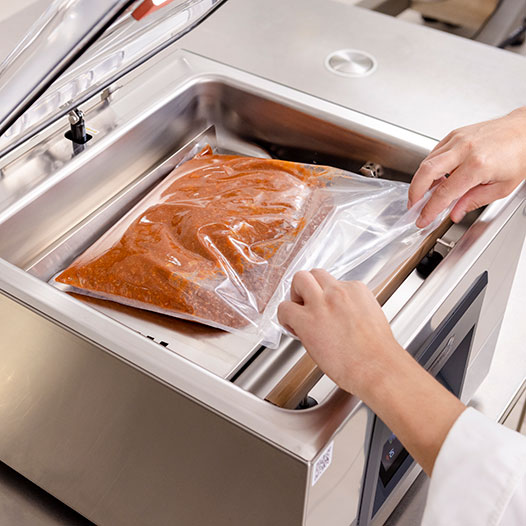
Vacuum sealers and blast chillers:
extending the shelf life of prepared or bulk ingredients helps reduce spoilage and allows for more efficient prep scheduling.
03.
cales and portioning equipment:
weighing ingredients ensures consistency and helps control both cost and waste.
04.
Smart refrigerators and prep stations:
with temperature control, alerts, and space-saving designs, they help keep food safe, organized, and visible – reducing the risk of forgotten stock.
01.
Commercial food processors and vegetable slicers:
these reduce human error during slicing and dicing, leading to more uniform cuts, better yields, and fewer discarded scraps.
02.
Vacuum sealers and blast chillers:
extending the shelf life of prepared or bulk ingredients helps reduce spoilage and allows for more efficient prep scheduling.
03.
cales and portioning equipment:
weighing ingredients ensures consistency and helps control both cost and waste.
04.
Smart refrigerators and prep stations:
with temperature control, alerts, and space-saving designs, they help keep food safe, organized, and visible – reducing the risk of forgotten stock.
Dito Sama’s professional equipment is designed with these goals in mind, offering tools that enhance speed, precision, and food utilization across the board.
Staff Training and Best Practices for Sustainable Kitchens
Kitchen culture plays a critical role in sustainability. Reducing food waste in the hospitality industry – or even in settings like school cafeterias – depends on how well staff understand both the value of food and the systems in place to manage it.
- Educate on waste impact: help staff understand the financial and environmental effects of food waste. When people know why it matters, they’re more likely to act responsibly.
- Daily waste tracking: create a routine of logging waste, noting the reason and quantity. These logs can uncover trends and guide menu or prep adjustments.
- Establish clear prep protocols: use prep guides with visual aids to train staff on yield expectations and proper trimming methods.
- Cross-utilization training: teach cooks how to identify and save usable byproducts during prep. A skilled team knows when something is waste – and when it’s just an ingredient in disguise.
With strong leadership and the right mindset, kitchens can build sustainable habits into their daily routines without sacrificing quality or speed.
LAST NEWS
Essential Equipment for Starting a Successful Fast Food Business
- Dito Sama
- ...
- NEWS & EVENTS
- Essential Equipment for Starting a Successful Fast Food Business
Share
Starting a fast food restaurant involves more than a good concept and a high-traffic location. To keep up with demand and maintain consistency, your kitchen needs to be outfitted with the right commercial equipment. From prep to service, every station should be optimized for speed, efficiency, and hygiene.
Whether you’re launching a burger joint, sandwich shop, or fried chicken spot, investing in the right tools from day one can save time, reduce waste, and support long-term profitability. In this guide, we’ll walk through the equipment needed to start a fast food restaurant, highlight high-impact appliances, and help you tailor your equipment list to fit your business goals.
What Equipment Do You Need to Start a Fast Food Restaurant?
The specific equipment for fast food businesses can vary depending on the menu and kitchen size, but every successful operation should begin with a foundation of high-quality and durable essentials. These include machines built for speed, hygiene, and long-term reliability.
- Grills and fryers: these are the backbone of most fast food kitchens. Look for models that heat quickly and maintain stable temperatures under continuous, high-volume use.
- Refrigeration units: undercounter fridges, reach-ins, and prep table refrigerators ensure ingredients stay fresh and accessible during peak hours.
- Food preparation equipment: prioritize versatile, high-performance tools. A combined vegetable cutter and slicer can streamline prep, improve consistency, and save labor. Specialized tools should reflect your concept.
-
- For fries: a multipurpose potato peeler and a high-capacity potato slicer are essential.
- For salad-based menus: a vegetable washer and spin-dryer maintains freshness and hygiene.
- For soup-focused restaurants: a heavy-duty hand mixer guarantees texture and efficiency.
- For sandwich shops: precise meat slicer, vegetable slicer and a countertop griddle ensure uniformity and speed.
- For pizza menus: a robust planetary mixer or dough kneader, as well asa dough divider and vegetable slicer are key for consistent results.
- For breakfast-focused kitchens: automatic juicers and programmable egg cookers streamline morning prep.
- For dessert or gelato concepts: multi-function mixers and temperature-controlled chocolate dispensers support efficient production.
- Toasters, heat lamps, and holding cabinets: these maintain food warmth and texture, reducing waste and improving service times.
- Worktables and shelving: stainless steel prep tables and organized shelving support a clean, efficient kitchen layout.
- Dishwashing and sanitation systems: fast, high-capacity dishwashers and easy-access handwashing stations are critical for meeting safety standards.
Every item on your fast food equipment list should be selected for throughput, durability, and ease of maintenance, with room to adapt as your menu evolves.
Commercial Fast Food Equipment to Improve Speed and Consistency
Speed and consistency are two of the biggest challenges in the fast food industry. Customers expect their orders to be ready quickly – and taste the same every time they visit. This is where commercial-grade fast food appliances make all the difference.
- High-capacity fryers and grills allow you to cook multiple orders simultaneously, cutting wait times during rush periods.
- Automated prep tools, like Dito Sama’s combined vegetable cutter and slicer, are designed to eliminate variation in slicing, chopping, and portioning—crucial in maintaining speed and consistency during high-volume service. These tools allow staff to process large quantities of vegetables or other ingredients with uniform results, significantly reducing manual labor and human error.
- Portioning dispensers help reduce ingredient waste while ensuring every sandwich or wrap is made to spec.
- Efficient cooking and holding solutions keep food hot and fresh without compromising texture or flavor.
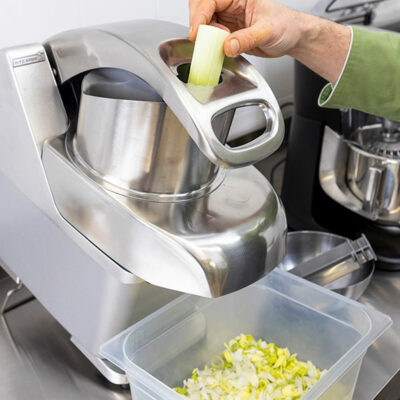
Using reliable, well-built appliances also reduces the risk of breakdowns that can slow down or halt service during peak hours. Equipment designed specifically for fast food environments typically includes user-friendly interfaces and easy-to-clean designs, which further improve kitchen operations.
How to Build Your Fast Food Equipment List Based on Business Needs
Every fast food operation has its own rhythm – shaped by the cuisine it serves, the size of the kitchen, and the speed of service it promises. Because of that, your equipment needs should reflect your business’s unique identity. Here’s how to make sure your equipment list aligns with what you actually need to operate efficiently:
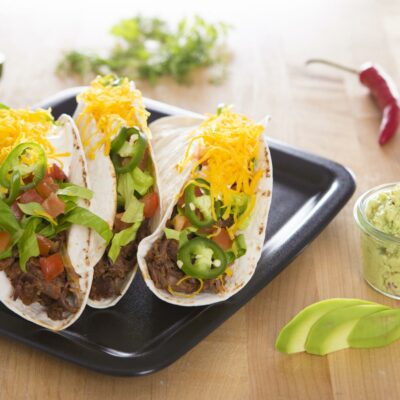
- Start with your menu: make a list of every item you’ll serve and identify the tools needed to prepare, cook, and serve each one.
- Consider your kitchen layout: the shape and size of your kitchen will influence what types of equipment you can fit and how stations are arranged.
- Factor in peak volume: plan for your busiest hours and choose equipment that can handle high-volume production without lag.
- Prioritize energy efficiency: choose equipment that meets performance needs without driving up your utility bills.
- Invest in scalable tools: if you plan to expand or franchise, select equipment that can scale easily across locations.
Partnering with a supplier who understands the pace and precision of fast food service – such as Dito Sama – can also help you make smarter, long-term choices. Their line of commercial fast food equipment is engineered to support high-speed kitchens without compromising quality.
LAST NEWS

Why Every Professional Kitchen Needs a High-Quality Food Processor
- Dito Sama
- ...
- NEWS & EVENTS
- Why Every Professional Kitchen Needs a High-Quality Food Processor
Share
Time is one of the most valuable resources in any commercial kitchen – and the food processor is a tool designed to make the most of it. From fine chopping and slicing to emulsifying, mixing, or even kneading, food processors are built to tackle repetitive, labor-intensive tasks with speed and precision. When used correctly, they can reshape how a kitchen handles prep, improve product consistency, and reduce manual strain on staff.
Whether you’re outfitting a new kitchen or looking to improve your current setup, investing in a professional food processor can pay off across every shift.
How a Food Processor Enhances Speed and Consistency in Food Prep
One of the primary benefits of using a food processor in a commercial environment is the time saved on repetitive prep work. Tasks that might take 15 or 20 minutes by hand – like grating a kilogram of carrots or slicing a case of onions – can be completed in minutes, with minimal effort and uniform results.
This boost in productivity is matched by an equally important advantage: consistency. A food processor doesn’t tire or vary in performance over time. Each slice, shred, or purée is virtually identical to the last, ensuring every plate matches your kitchen’s standards.
Speed and consistency also help control food waste. Precise cutting means fewer trimmings, better portion control, and improved yield from your ingredients. Modern commercial food processors offering multiple disc and blade options allow kitchens to adapt quickly to different recipes and service needs.
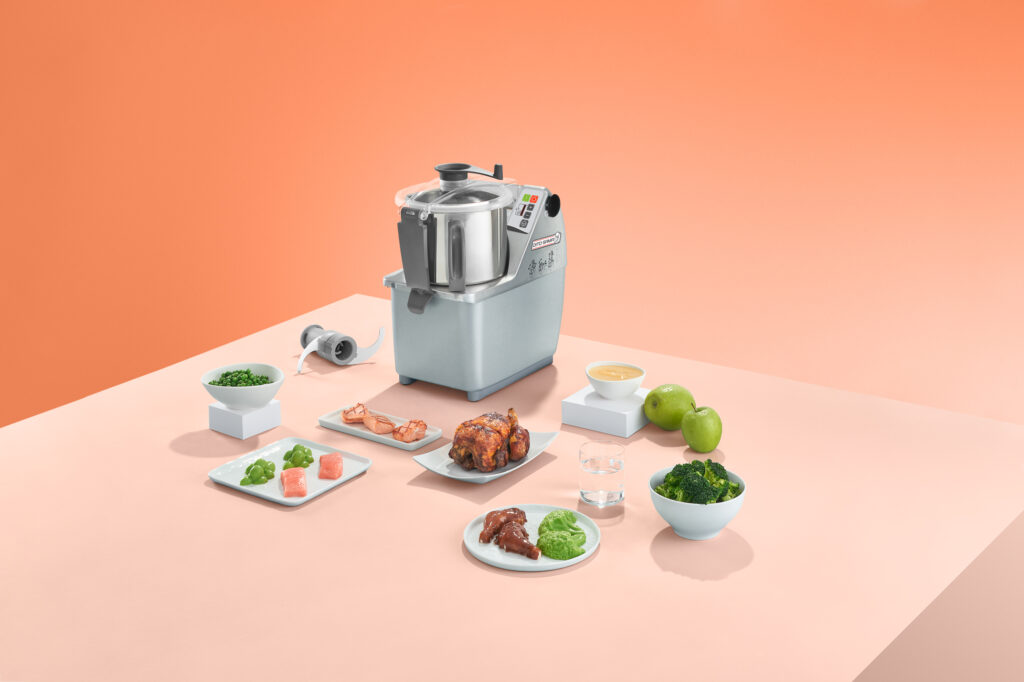
Comparing Professional Food Processors: Features and Benefits
Choosing a food processor for a professional kitchen requires a closer look than what you’d consider for home use. In a high-output environment, your equipment has to deliver consistent performance, withstand constant use, and adapt to a variety of prep tasks. To find the right fit for your operation, keep an eye on the following features:
- Motor power: look for models with robust motors (e.g., 1000W or more) capable of handling dense ingredients without overheating.
- Interchangeable blades and discs: a wide selection of attachments extends the processor’s versatility, from slicing and dicing to emulsifying and kneading.
- Bowl capacity: choose a size that aligns with your production volume. Smaller prep kitchens may need 3–6 liters, while larger operations may require 8–12 liters or more.
- Ease of cleaning: removable parts, smooth finishes, and dishwasher-safe components streamline sanitation and reduce downtime.
- Safety mechanisms: auto shut-off, interlocking lids, and anti-slip bases protect staff and improve usability.
Models from brands like Dito Sama are built with these features in mind, combining powerful performance with user-friendly design. Their commercial food processors are engineered for intensive daily use and offer the kind of durability, precision, and support professional kitchens rely on.
How to Integrate a Food Processor into Your Daily Kitchen Workflow
A food processor doesn’t just replace manual labor – it opens up opportunities to rethink how and when prep happens. To integrate this tool effectively into your kitchen workflow:
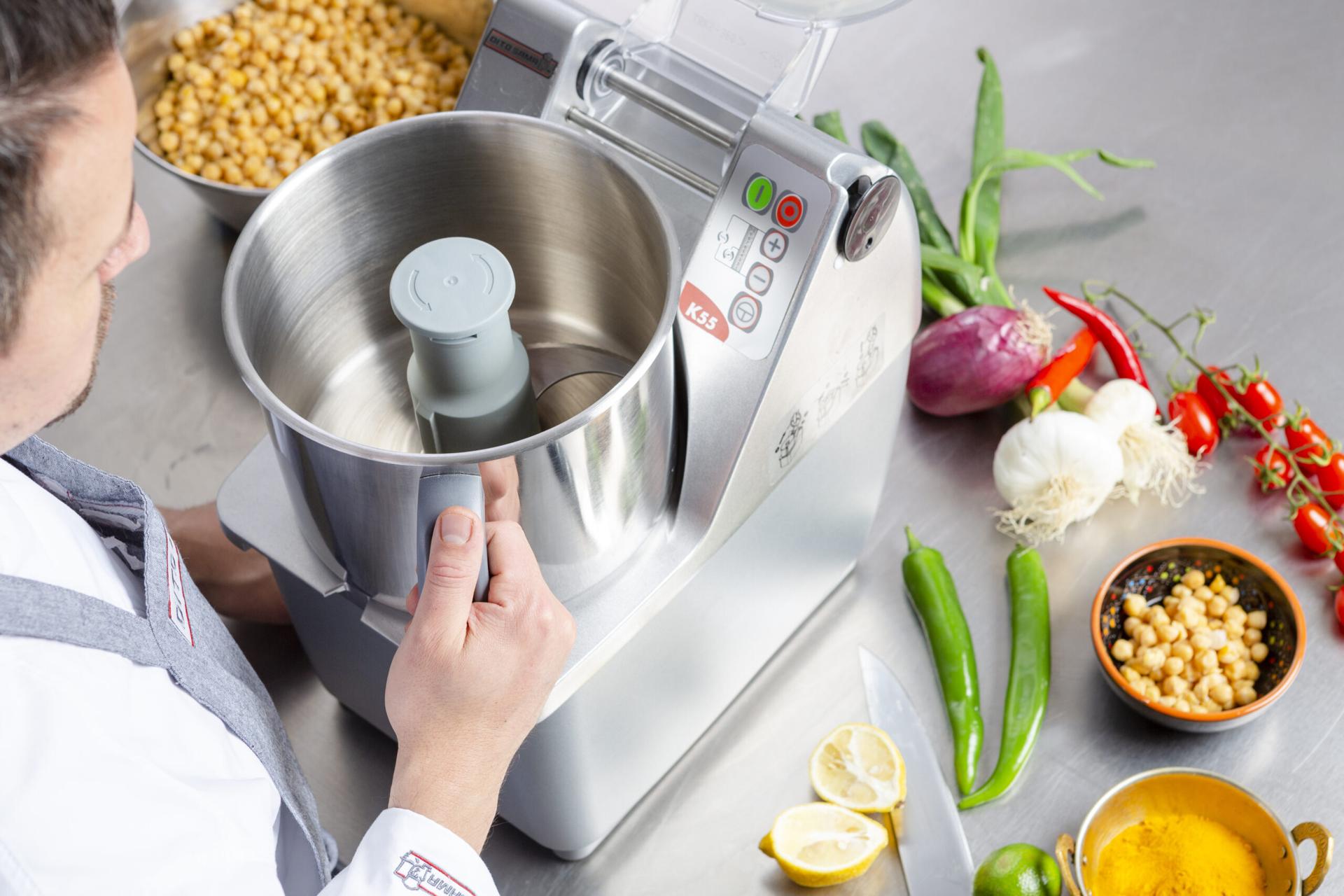
Assign prep roles around the processor:
dedicate a station where ingredients can be cleaned, portioned, processed, and stored without disrupting other stations.
Build a prep schedule:
identify high-volume or high-frequency items that can be processed in advance. Use the processor to reduce bottlenecks during peak service hours.
Standardize recipes and blade settings:
document blade types, portion sizes, and processing times for key recipes to help ensure consistency across staff.
Cross-train staff:
ensure multiple team members know how to operate the food processor safely and efficiently so it remains in use regardless of shift changes.
By treating the food processor as a core piece of equipment – rather than a secondary tool – you’ll improve prep speed, reduce staff fatigue, and gain greater control over product consistency and kitchen output.
LAST NEWS

Balanced Meals: How to Maintain Nutrition Without Sacrificing Efficiency
- Dito Sama
- ...
- NEWS & EVENTS
- Balanced Meals: How to Maintain Nutrition Without Sacrificing Efficiency
Share
Serving balanced meals in a professional kitchen is no longer just a matter of health – it’s also about meeting customer expectations, supporting dietary needs, and keeping operations efficient. Offering nutritious and well-balanced meals can set your business apart.
In this article, we’ll explore what defines a balanced meal, how professional kitchens can prepare healthy meals efficiently, and tips for designing nutritious menus that don’t compromise flavor or workflow.
What Makes a Meal Balanced? The Key Nutritional Components
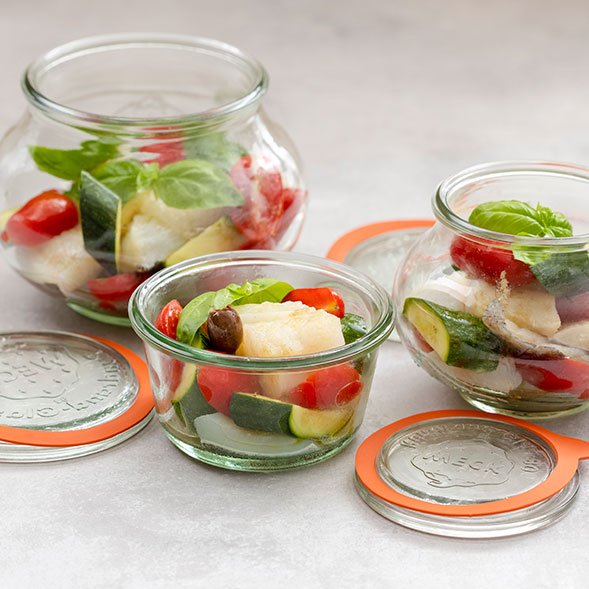
A truly balanced meal is one that provides the body with the right mix of nutrients to fuel energy, promote well-being, and satisfy hunger – all while offering a pleasant dining experience. In a commercial kitchen, this means combining elements that meet nutritional standards without complicating production.
The foundation of a balanced dish begins with protein, which plays a key role in satiety and muscle repair. This can be sourced from animal products such as poultry or fish, or plant-based ingredients like legumes and tofu. To accompany protein, complex carbohydrates – such as whole grains or starchy vegetables – offer long-lasting energy and support digestive health. Healthy fats also have their place on the plate, not just for flavor, but for their ability to help the body absorb fat-soluble vitamins. Think olive oil, nuts, or avocado used intentionally in sauces, dressings, or garnishes.
Of course, no balanced meal is complete without an abundance of fiber-rich vegetables and fruits. These ingredients provide essential vitamins and minerals while adding texture, color, and visual appeal to the plate.
Achieving balance also means paying attention to proportions and variety, ensuring that no one component overwhelms the others. And for professional kitchens, there’s the added layer of accommodating dietary needs – from vegetarian and gluten-free preferences to low-sodium or allergy-sensitive requirements – without overcomplicating execution.
How to Prepare Healthy Meals Efficiently in Professional Kitchens
Efficiency doesn’t have to come at the expense of nutrition. With the right setup and equipment, professional kitchens can produce healthy, well-balanced meals at scale without compromising speed or food quality.
01.
Use multifunctional prep equipment:
food processors, slicers, and mixers allow you to process vegetables, grains, and proteins quickly and uniformly.
02.
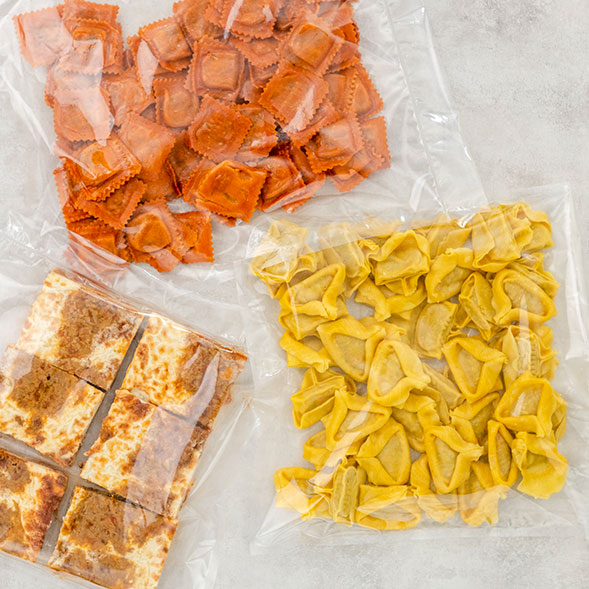
Batch cooking and portioning:
prepare core components like grains, roasted vegetables, or proteins in large batches, then portion and store them for easy assembly.
03.
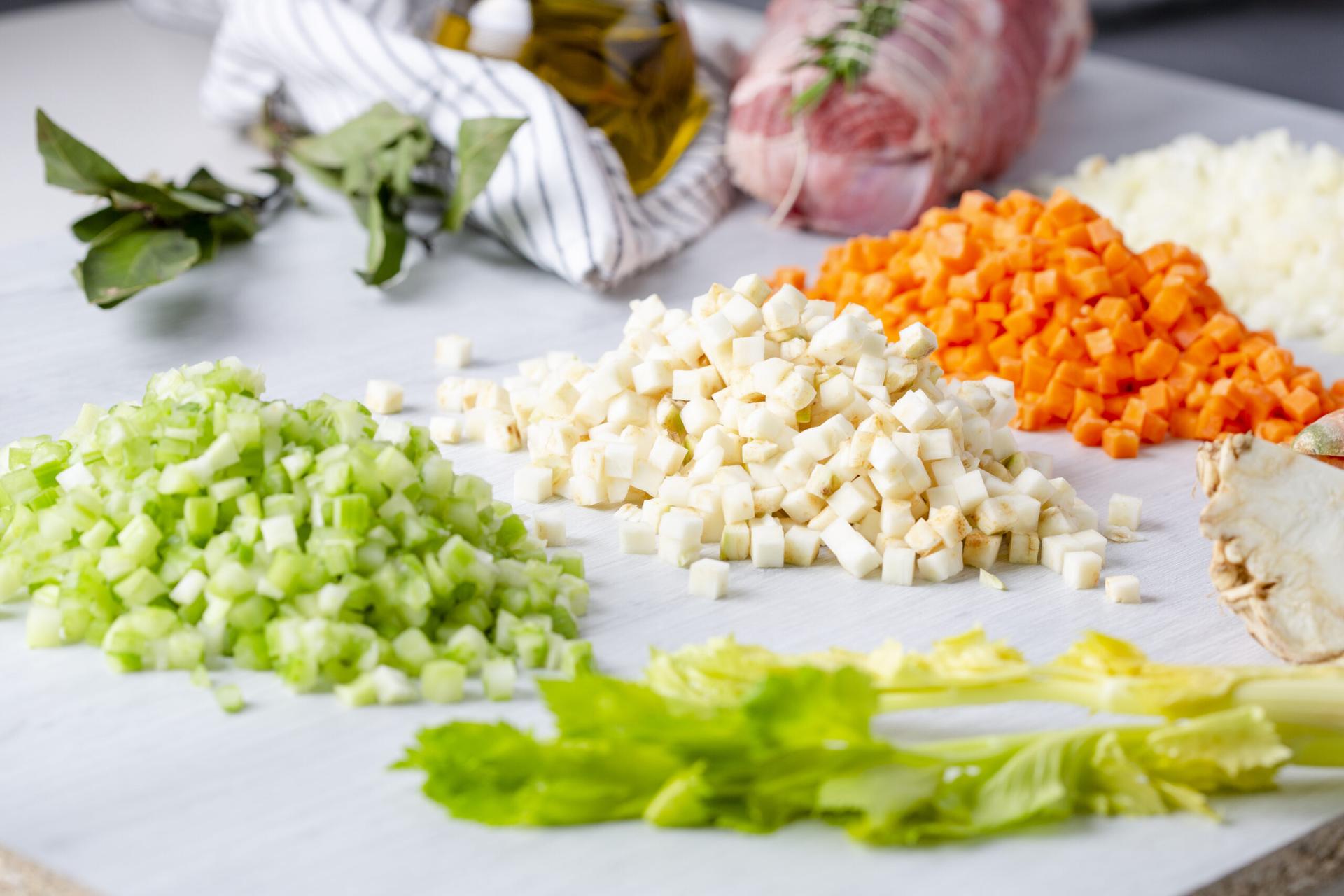
Integrate fresh and frozen produce:
while fresh produce enhances flavor and presentation, high-quality frozen items can fill gaps, reduce prep time, and limit spoilage.
04.
Leverage menu cross-utilization:
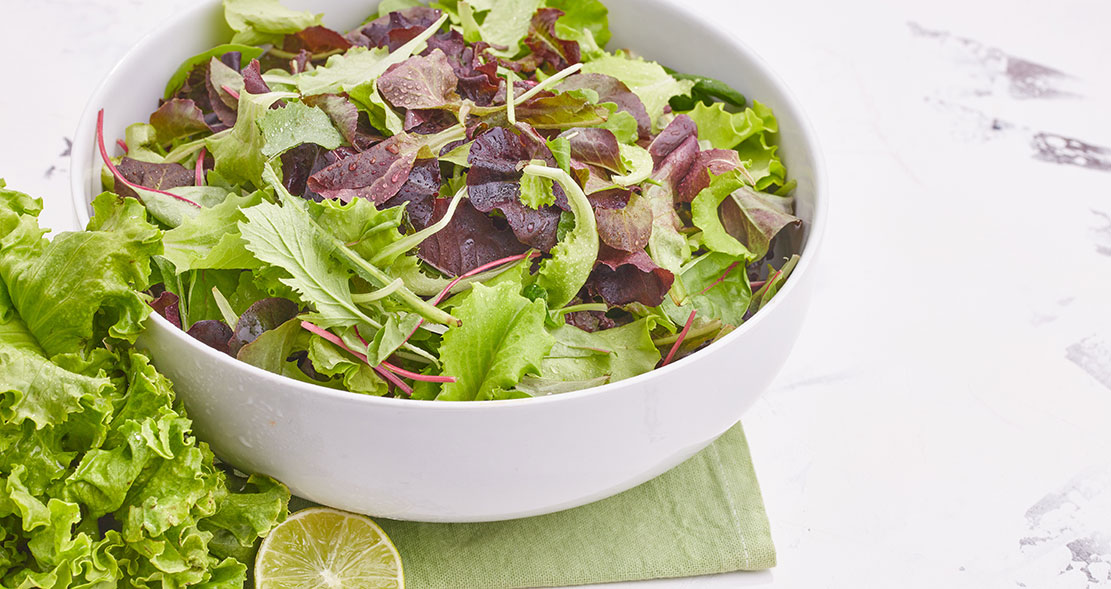
design components (like a quinoa salad or grilled chicken) that can be used across multiple menu items to minimize waste and streamline prep.
01.
Use multifunctional prep equipment:
food processors, slicers, and mixers allow you to process vegetables, grains, and proteins quickly and uniformly.
02.
Batch cooking and portioning:
prepare core components like grains, roasted vegetables, or proteins in large batches, then portion and store them for easy assembly.
03.
Integrate fresh and frozen produce:
while fresh produce enhances flavor and presentation, high-quality frozen items can fill gaps, reduce prep time, and limit spoilage.
04.
Leverage menu cross-utilization:
design components (like a quinoa salad or grilled chicken) that can be used across multiple menu items to minimize waste and streamline prep.
Using professional kitchen equipment, such as the tools offered by Dito Sama, can make these practices more effective by speeding up processing time, improving consistency, and reducing waste.
Tips for Creating Nutritious Menus in Restaurants and Catering
Designing a nutritious menu means balancing health goals with flavor, creativity, and operational feasibility. Here’s how to approach it:
- Plan around seasonal ingredients: fresh, seasonal produce is more flavorful and often more cost-effective. Rotate menu items to take advantage of what’s in peak supply.
- Highlight nutritional variety: offer a mix of protein sources, grain types, and vegetables to appeal to diverse dietary needs.
- List nutritional information: where appropriate, include calorie and nutrient details on your menu. This is especially important for catering, schools, or health-focused establishments.
- Test for prep feasibility: introduce new items only after ensuring they can be executed consistently during busy shifts.
- Get feedback: monitor which items are most popular and how they perform from a prep and profitability standpoint.
By taking a strategic approach to balanced meals – supported by the right training and equipment – your kitchen can deliver dishes that nourish customers and support operational efficiency.
LAST NEWS
Optimizing Food Preparation in Commercial Kitchens
- Dito Sama
- ...
- NEWS & EVENTS
- Optimizing Food Preparation in Commercial Kitchens
Share
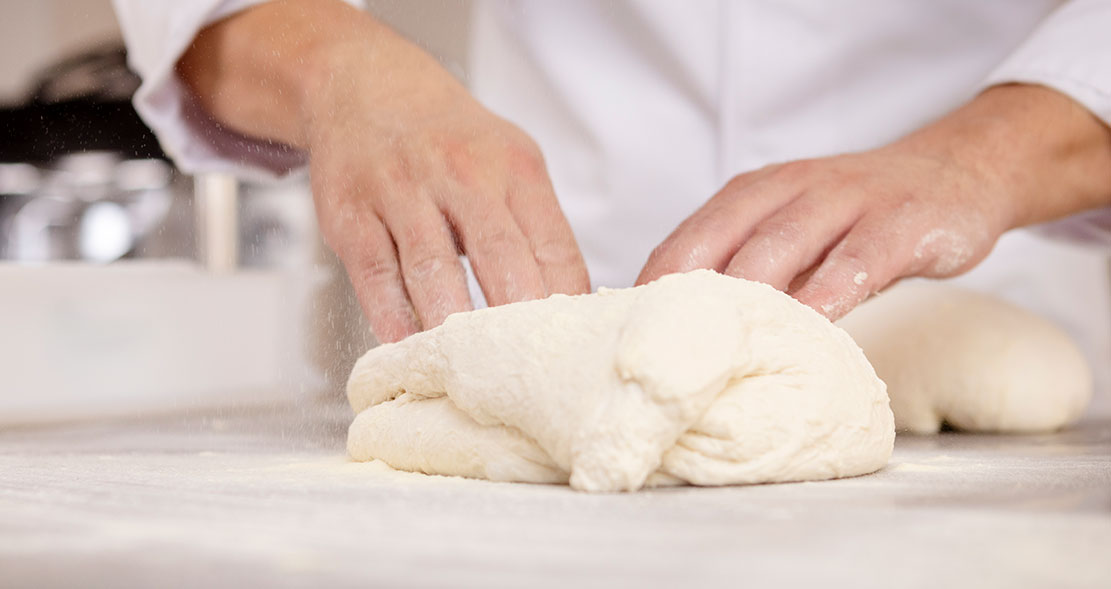
Every successful commercial kitchen shares a core principle: behind every plated dish is a system of preparation that’s been fine-tuned for speed, safety, and consistency. Commercial food preparation is where the real work begins, long before service starts. It sets the tone for the entire operation.
Whether you’re managing a high-volume restaurant, a catering company, or a bakery, having the right approach to prep work means fewer mistakes, better time management, and higher food quality. In this guide, we’ll walk through the key challenges faced during food prep, the best kitchen equipment to support your workflow, and how to train your team for precision and efficiency.
Key Challenges in Commercial Food Preparation
Commercial food preparation involves more than just cutting vegetables or portioning proteins. It requires coordination across multiple stations, often with a diverse team working on a tight schedule. Here are some common challenges:
Time pressure:
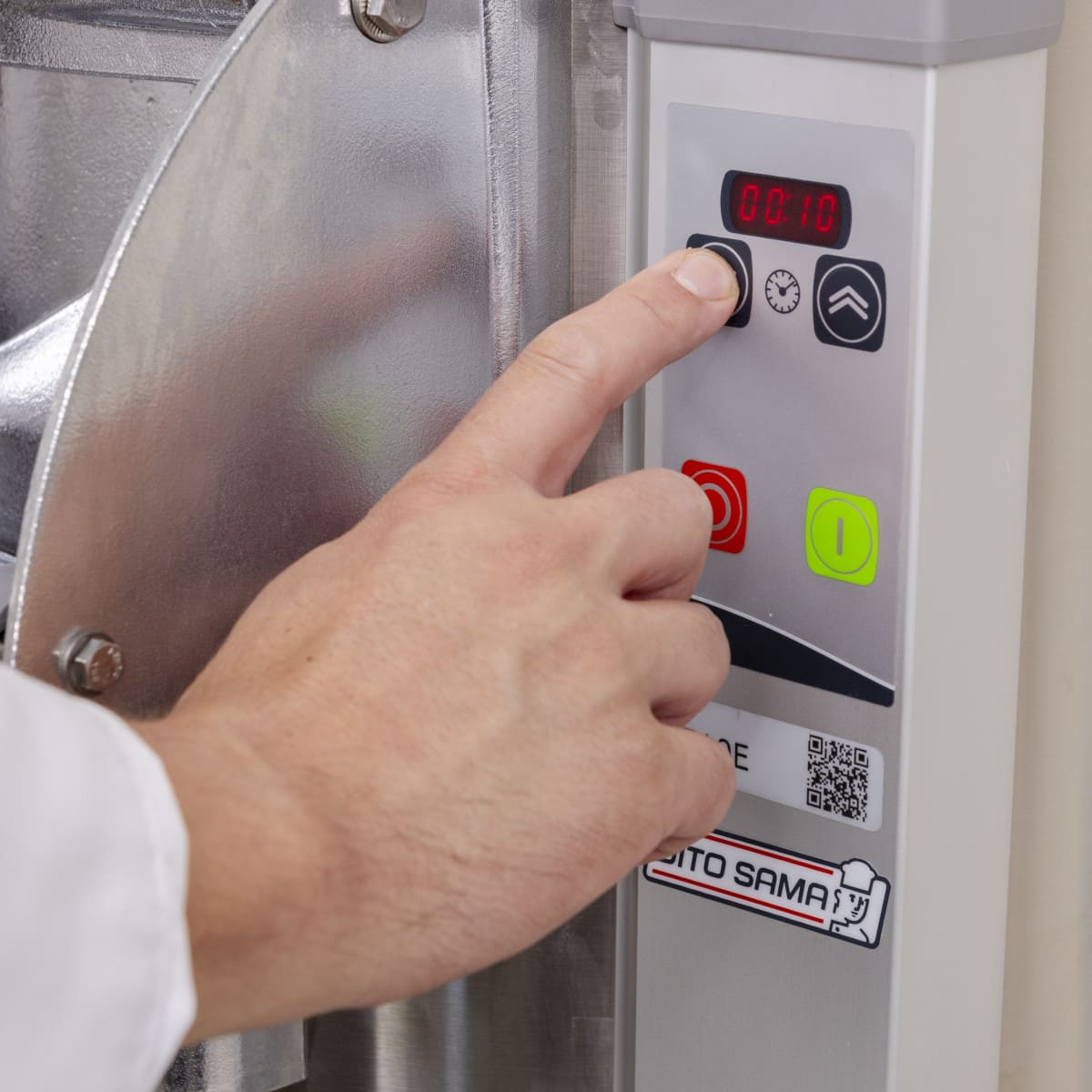
prepping for hundreds of meals per shift demands careful time allocation. A delay in prep can ripple through service.
Consistency:
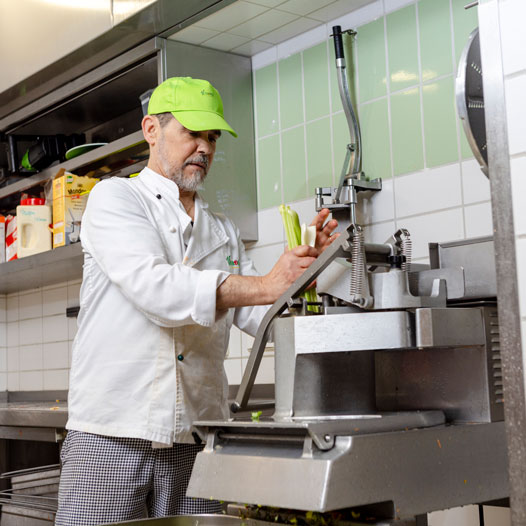
without standardized systems, repeatedly achieving the same cuts, textures, and flavors across batches is difficult.
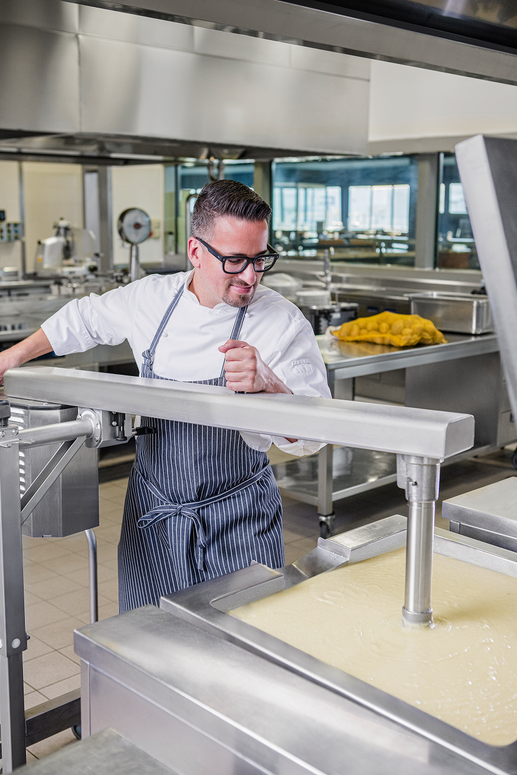
Cross-contamination risks:
with multiple ingredients being processed simultaneously, maintaining food safety requires strict protocols.
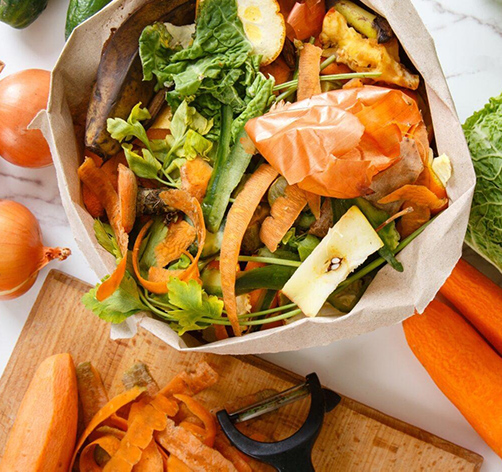
Waste control:
over-prepping, poor portioning, or inefficient use of ingredients can significantly impact profit margins.
Each of these challenges compounds when prep systems are outdated, unstructured, or lack the right tools. Streamlining this phase with reliable equipment and clear processes is the first step toward addressing them.
Best Equipment to Improve Speed and Accuracy in a Professional Kitchen
Quality equipment is the foundation of any successful commercial food preparation strategy. The right tools do more than cut labor – they enable precision, reduce errors, and support food safety.
Some of the most valuable commercial equipment used in food preparation includes:
- Professional food processors: with slicing, grating, chopping, and emulsifying attachments, these machines handle repetitive tasks quickly and with uniform results.
- Vacuum packer: allows to vacuum pack ingredients that have been prepped in advance before freezing them for future use.
- Vegetable cutters and slicers: essential in kitchens that prep large volumes of fresh produce, these machines deliver consistent shapes and sizes, improving cooking results and presentation.
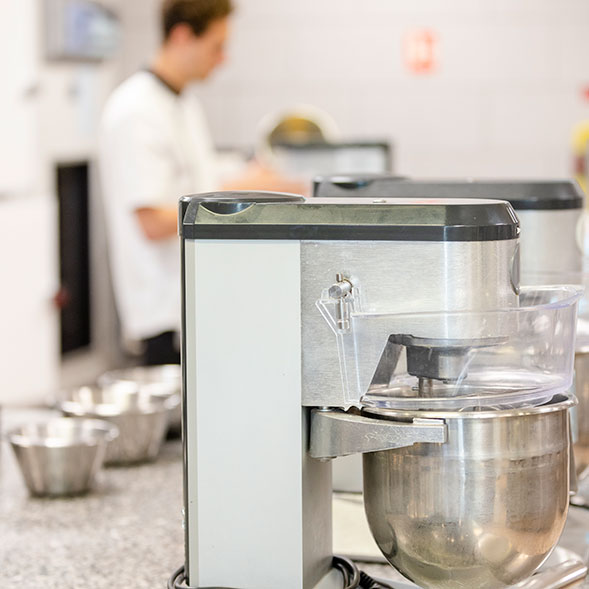
- Planetary mixers: ideal for mixing doughs, batters, sauces, and even some fillings. Look for models with variable speeds and bowl-lift mechanisms to handle different batch sizes.
- Commercial mixers: high-powered blenders are crucial for purées, soups, and dressings, especially in kitchens with a high output of sauces or liquid bases.
- Worktables and prep stations: stainless steel surfaces, integrated storage, and ergonomic designs help keep tools and ingredients organized and accessible.
How to Train Staff for Efficient Food Prep and Minimal Waste
Even the best commercial food preparation equipment can’t deliver results without a well-trained team. Staff should understand both the tools and the techniques that lead to efficient prep and reduced waste.
Training programs should include:
- Standardized cutting and portioning methods: teaching staff how to execute uniform knife cuts or use slicing machines correctly leads to better consistency and faster prep.
- Tool maintenance and safety: workers should know how to clean, assemble, and inspect commercial prep equipment. Preventative care avoids breakdowns and reduces safety risks.
- Batch prep scheduling: organize prep tasks by ingredient type or station, and assign them based on prep priority (e.g., long-cook sauces first, garnishes last).
- Waste tracking and reduction: implement systems for monitoring food waste and training staff on how to repurpose trimmings when possible.
- Cross-training staff: a flexible team can adapt to station changes and maintain prep standards even when short-handed.
Reinforcing these practices not only improves speed and consistency – it also creates a more adaptable, confident kitchen team that works better under pressure.
LAST NEWS
Healthy Eating in Restaurants: How to Offer Nutritious Options to Your Customers
- Dito Sama
- ...
- NEWS & EVENTS
- Healthy Eating in Restaurants: How to Offer Nutritious Options to Your Customers
Share
More than ever, diners are looking for meals that align with their health goals without sacrificing flavor or satisfaction. For restaurants, this shift toward wellness-minded dining isn’t just a trend – it’s a long-term opportunity. Incorporating healthy eating into your menu can help you appeal to a broader audience, increase repeat visits, and stand out in a competitive landscape.
In this article, we explore how restaurants can approach healthy eating holistically, from menu design to ingredient sourcing and the role of kitchen equipment in bringing nutritious ideas to life.
How to Design a Nutritious and Balanced Menu for Your Restaurant
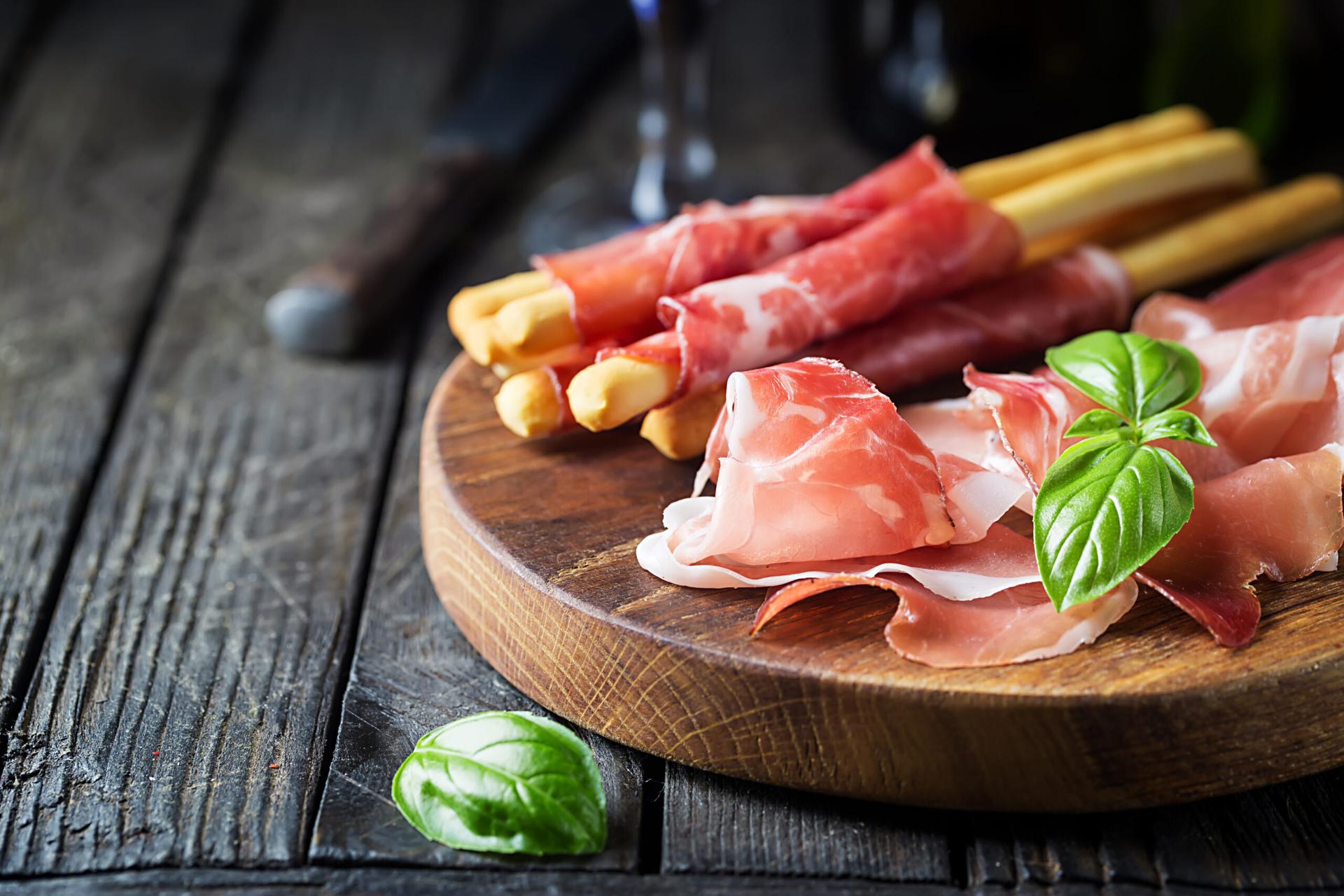
Designing a health-forward menu starts with intention. It’s not enough to simply list a few “light” items. A well-thought-out healthy menu includes diverse ingredients, appealing flavors, and a clear focus on nutritional value.
Start by evaluating your current offerings. Can dishes be rebalanced with whole grains instead of refined carbs? Could sides like leafy greens, legumes, or roasted vegetables be offered as standard instead of fries? Small adjustments across your menu can make a big impact without altering your kitchen’s workflow.
It’s also important to provide options. Incorporate plant-based proteins, gluten-free grains, and dairy alternatives to accommodate different dietary needs. And make sure these meals are just as indulgent and satisfying as the rest of your offerings. Healthy eating doesn't mean compromising on taste – it means being smarter with ingredients and preparation methods.
Finally, consider how your menu is presented. Descriptions should emphasize freshness, quality ingredients, and preparation methods that support wellness (like grilling or steaming). Highlighting these elements can help customers make informed, confident choices.
Tips for Sourcing High-Quality, Fresh Ingredients for Healthy Dishes
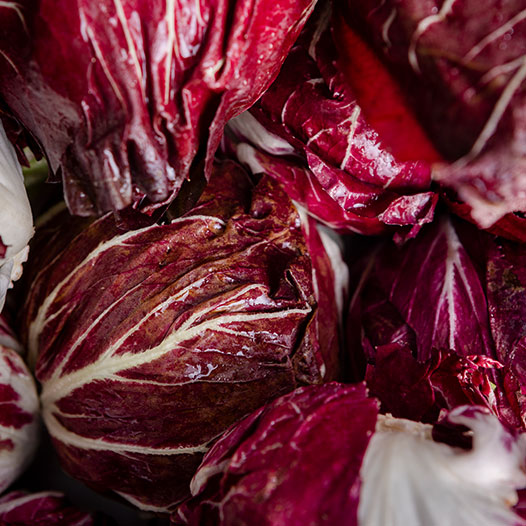
The heart of any healthy dish is what goes into it. Choosing high-quality, nutrient-rich ingredients is the foundation of better food – and better customer experiences.
Start by building relationships with trusted suppliers who can provide seasonal produce, sustainably sourced proteins, and whole grains. Buying in-season fruits and vegetables not only ensures freshness but often reduces costs as well. When possible, consider local sourcing to cut down on transport time and support your regional economy.
Diversify your pantry with minimally processed staples like legumes, seeds, nuts, and whole flours. These ingredients form the base of many healthful meals and can be adapted across different cuisines.
Storing and rotating these ingredients properly is just as important as sourcing them. Well-maintained refrigeration, smart labeling, and FIFO inventory systems all help preserve freshness and reduce waste. In professional kitchens, investing in quality storage and prep equipment can help you get the most out of your healthy ingredients.
The Role of Kitchen Equipment in Preparing Healthier Meals Efficiently
Equipping your kitchen with the right tools is key to executing nutritious meals at scale – without slowing down your team.
Multifunctional food processors and vegetable slicers, like those offered by Dito Sama, allow for quick, uniform prep of fresh vegetables and fruits, as well as grains, and proteins. With efficient tools, staff can handle more tasks in less time, reducing reliance on processed or pre-portioned foods.
Steamers and combi ovens are also valuable for cooking methods that preserve nutrients and reduce the need for added fats. Blenders and mixers enable quick preparation of purées, dressings, and sauces that use whole ingredients and limit preservatives.
And don’t overlook ergonomics and layout. Prep stations that are optimized for smooth workflow encourage better habits, cleaner processes, and ultimately more consistent results.
Healthy eating in a restaurant setting comes down to thoughtful planning and execution. With the right strategy – and the right equipment – you can deliver meals that taste great, support your customers’ goals, and fit seamlessly into your daily operations.
LAST NEWS


